

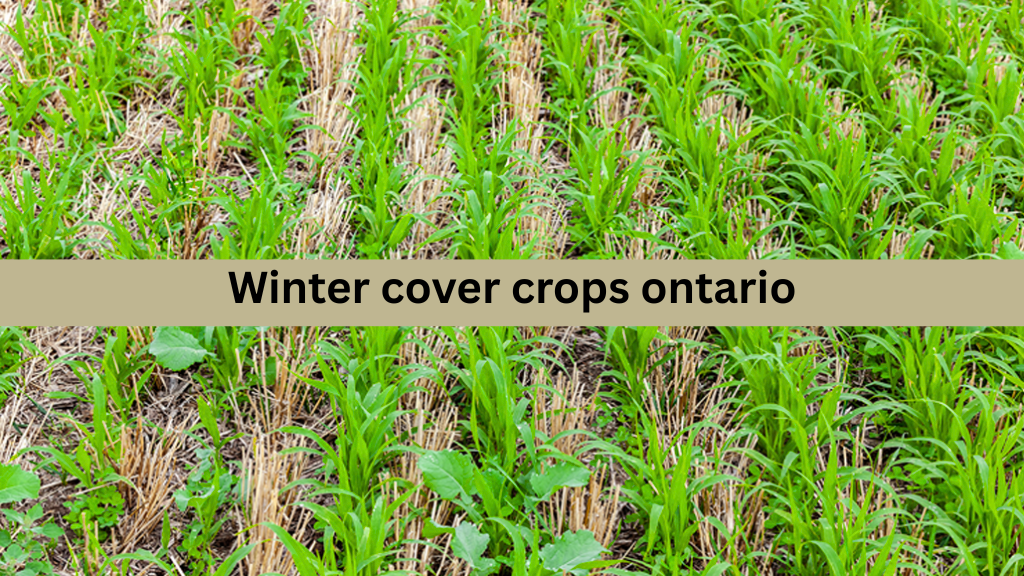
Winter cover crops Ontario has become an essential practice for farmers who want to maintain healthy soil and protect their fields during the colder months. Instead of leaving the land bare after harvest, many growers are now planting crops in the fall that grow through the winter. These crops are not meant for harvest but serve the purpose of keeping the soil covered, preventing erosion, and improving soil health. In Ontario, where winters can be long and harsh, winter cover crops Ontario provide an extra layer of protection for farmland, ensuring the soil remains productive for the next growing season. The adoption of winter cover crops Ontario has increased as more farmers recognize their environmental and economic benefits.
What Are Winter Cover Crops Ontario?
Winter cover crops Ontario are planted in late summer or early fall, shortly after the main crop has been harvested. Their roots help loosen compacted soil, improve water infiltration, and enhance soil structure. As these plants grow and decompose, they add organic matter to the soil, boosting fertility and supporting a diverse community of microorganisms. This process, known as green manuring, naturally enriches the soil without relying heavily on chemical fertilizers. Farmers in Ontario often select winter-hardy species like rye, winter wheat, and oats, or legumes such as clover and field peas, depending on their soil goals and climate conditions. Winter cover crops Ontario also help prevent nutrient loss during the winter months, making them an important tool for sustainable agriculture.
Benefits of Winter Cover Crops Ontario
One of the main reasons winter cover crops Ontario are popular is soil erosion control. During the winter months, rain, snow, and wind can easily wash or blow away exposed soil. Cover crops act as a living shield, holding the soil in place and preventing the loss of valuable topsoil. This is especially important in areas with sloped fields or heavy rainfall. Additionally, the root systems of winter cover crops Ontario help stabilize the soil and improve its structure, which can lead to better water retention and reduced runoff in spring. The protection offered by winter cover crops Ontario ultimately preserves soil quality and reduces long-term farm costs.
Beyond erosion control, winter cover crops Ontario play a key role in nutrient management. Legumes like clover and peas fix nitrogen from the air and release it into the soil, providing a natural source of fertility for future crops. Grass-based winter cover crops Ontario, such as rye and wheat, capture leftover nitrogen and other nutrients that might otherwise leach away during the winter. By recycling nutrients in this way, farmers can reduce their reliance on synthetic fertilizers, which is both cost-effective and environmentally sustainable. Winter cover crops Ontario also suppress weeds by forming a dense ground cover that shades the soil and limits weed growth in early spring, reducing the need for herbicides.
| Feature | Details |
|---|---|
| Topic | Winter Cover Crops Ontario |
| Definition | Plants grown in fall/winter to protect and improve soil between main crops |
| Purpose | Prevent soil erosion, improve fertility, suppress weeds, recycle nutrients |
| Common Types | Winter rye, winter wheat, oats, barley, clover, field peas |
| Planting Time | Late summer to early fall, before first frost |
| Benefits | Soil protection, nutrient management, improved soil structure, weed control, better water retention |
| Hardiness | Some crops survive winter (rye, wheat), others may winter-kill but still benefit soil |
| Use in Ontario | Adopted widely in farms for sustainable agriculture and soil health programs |
| Impact | Increased soil organic matter, improved crop yields, supports beneficial soil organisms |
Popular Winter Cover Crops Ontario
Winter rye is one of the most commonly used winter cover crops Ontario due to its remarkable winter hardiness. It establishes quickly in the fall, grows through the winter in many regions, and provides a thick root network that stabilizes the soil. When incorporated into the soil in the spring, rye adds substantial organic matter and helps build soil structure for the next crop. Winter wheat is another option, providing good ground cover and nutrient storage, while oats and barley are sometimes used for their rapid fall growth and biomass production. Legumes such as red clover or field peas are often included in cover crop mixes to add nitrogen and improve soil tilth. Winter cover crops Ontario are usually selected based on local soil needs and climate conditions.
How to Plant Winter Cover Crops Ontario
Planting timing and species selection are crucial for successful winter cover crops Ontario. Farmers need to sow seeds early enough to allow the plants to establish before the first frost. The choice of species depends on the farmer’s goals — whether it is nitrogen fixation, erosion control, or soil improvement. Many Ontario farmers plant mixtures of cereal grains and legumes to capture the benefits of both, ensuring the cover crop protects the soil while enhancing fertility. By carefully planning the planting schedule and crop mix, growers can maximize the benefits of winter cover crops Ontario while minimizing risks. Proper planning also ensures that these crops do not interfere with the next main crop rotation.
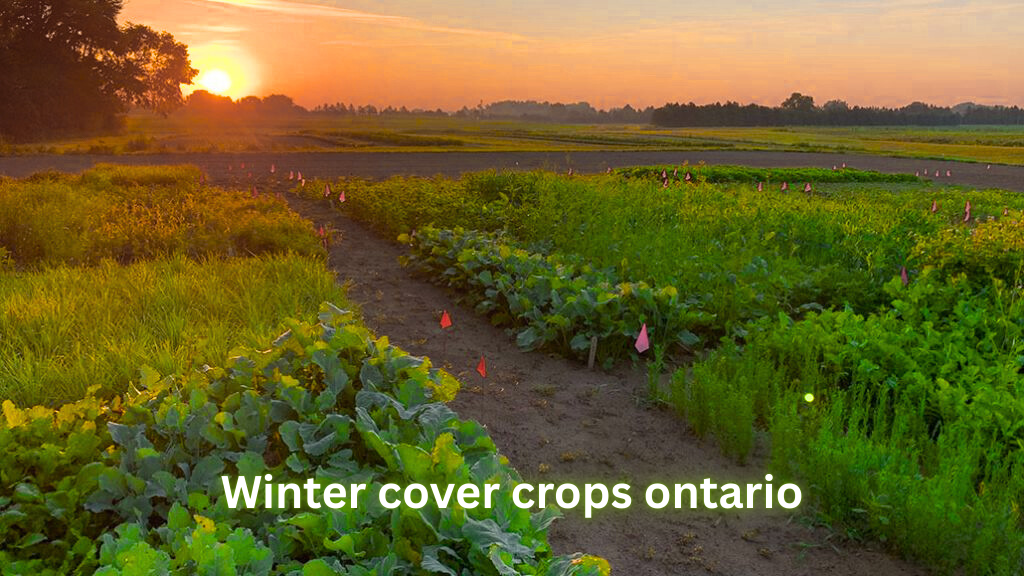
Integration Into Ontario Agriculture
Winter cover crops Ontario are also aligned with broader agricultural strategies in Ontario that emphasize soil health and sustainability. Programs such as the Ontario Cover Crops Strategy promote the adoption of these crops through research, education, and financial incentives. These initiatives help farmers understand how winter cover crops Ontario fit into their crop rotations and long-term land management plans. Research in Ontario has shown that fields with cover crops have higher soil organic carbon, improved nutrient cycling, and better yields in subsequent crops. The presence of winter cover crops Ontario can also support beneficial soil organisms, creating a more resilient ecosystem beneath the surface.
The Research and Impact of Winter Cover Crops Ontario
Studies in Ontario fields have shown that winter cover crops Ontario can increase soil organic carbon significantly compared to fields with no cover crops — meaning better soil structure and higher biological activity. Cover crop systems have also demonstrated improved nutrient cycling and, in many cases, higher yields in subsequent crops. Research also suggests that using winter cover crops Ontario can positively influence soil biological communities, including beneficial nematodes and microorganisms, which support overall soil health. The adoption of winter cover crops Ontario is a step toward more sustainable and environmentally responsible farming practices in Ontario.
Conclusion
Winter cover crops Ontario are a practical and sustainable solution for Ontario farmers seeking to protect and enhance their soil during the winter months. By reducing erosion, improving soil structure, managing nutrients, suppressing weeds, and supporting soil biology, winter cover crops Ontario provide a wide array of benefits that extend beyond the immediate growing season. Selecting the right species, planting at the optimal time, and integrating winter cover crops Ontario into crop rotations can lead to healthier soils, more productive fields, and a stronger foundation for long-term farm sustainability. As Ontario farmers continue to embrace winter cover crops Ontario, these practices are helping secure the future of agriculture in the province while promoting environmentally responsible farming.
FAQs
Q: What are winter cover crops Ontario?
A: Winter cover crops Ontario are plants grown in fall or winter to protect soil, improve fertility, and prevent erosion between main crops.
Q: Why should farmers use winter cover crops Ontario?
A: They reduce soil erosion, add organic matter, recycle nutrients, suppress weeds, and improve soil health for the next season.
Q: Which crops are commonly used as winter cover crops Ontario?
A: Common crops include winter rye, winter wheat, oats, barley, clover, and field peas, depending on soil goals.
Q: When should winter cover crops Ontario be planted?
A: They should be sown in late summer or early fall, several weeks before the first frost, to establish strong roots.
Q: Do winter cover crops Ontario survive harsh winters?
A: Some, like winter rye, are winter-hardy, while others may winter-kill but still protect soil and add organic matter before spring.
