

For anime fans around the world, Aniwave was more than just a website. It served as a portal to thousands of series, classics, seasonal hits, and hard-to-find titles. Whether it was Naruto, One Piece, Attack on Titan, or niche shows overlooked on legal platforms, Aniwave became the go-to streaming library for millions.
Its simplicity and accessibility made it incredibly popular. Users could watch anime without paying or creating accounts, which was a huge draw for fans in regions where official services were limited or expensive. Millions visited the site each month to catch up on episodes, discover new series, or rewatch favorites.
But today, Aniwave no longer exists. Its website is offline, the library is gone, and fans are left wondering: what happened to Aniwave?
This article dives deep into what happened to Aniwave, explaining its history, its sudden shutdown, the legal pressures it faced, and the future of anime streaming for fans who relied on the platform.
Aniwave: From 9anime to Global Phenomenon
Aniwave began life as 9anime, launched in 2016. For years, 9anime was among the largest free anime streaming websites, offering fans access to a vast library of shows and movies without subscription fees.
The website quickly gained traction. Millions of users worldwide relied on it for both subtitled and dubbed content. Its user-friendly interface, wide selection, and fast loading made it a favorite. For many, it was the most convenient way to watch anime online.
However, there was a catch. Aniwave did not have legal permission to host or stream most of its content. It aggregated links and embedded videos from third-party sources, operating in a copyright gray area. This meant it was always at risk of legal action — a fact central to understanding what happened to Aniwave.
Why 9anime Became Aniwave in 2023
In early 2023, 9anime underwent a major rebranding. The platform officially became Aniwave.
This wasn’t just a new name; it was a strategy. Operators aimed to reduce the impact of copyright enforcement, domain blocks, and DMCA takedowns. The website had been regularly targeted, and the rebranding was meant to give it a fresh start.
Unfortunately, this move only delayed the inevitable. Legal and copyright pressures continued to mount, making it increasingly difficult for the site to operate safely. Many fans began asking the question: what happened to Aniwave, as rumors of a permanent shutdown started to circulate.
| Attribute | Details |
|---|---|
| Name | Aniwave (formerly 9anime) |
| Type | Free anime streaming website |
| Launched | 2016 (as 9anime) |
| Rebranded | 2023 (as Aniwave) |
| Status | Permanently shut down |
| Shutdown Date | August 27, 2024 |
| Reason for Shutdown | Copyright violations and legal enforcement |
| Content | Subtitled and dubbed anime series and movies |
| Legal Status | Unlicensed / not officially legal |
| Popularity | Millions of global monthly visitors |
| Alternatives | Crunchyroll, Funimation, Netflix, Hulu, Amazon Prime |
| Legacy | Influential free anime platform; shaped online streaming habits |
Why Fans Loved Aniwave
Aniwave’s appeal was simple but powerful.
No subscription fees: Anyone could access content without creating an account or paying a cent.
Subbed and dubbed options: The platform catered to a global audience, allowing fans to choose between subtitles and voice-over dubs.
Fast, mobile-friendly design: The website worked smoothly on computers, tablets, and smartphones, making binge-watching effortless.
Extensive library: New episodes appeared shortly after airing in Japan, while older series were archived for easy access.
For many, Aniwave wasn’t just a website. It was a community hub, a place to explore anime worlds, connect with fellow fans, and stay updated with the latest episodes. Understanding what happened to Aniwave helps explain why its closure affected millions.
The Growing Legal Pressure
Despite its popularity, Aniwave operated in a legal gray zone. Hosting or linking to copyrighted content without licenses made the website vulnerable.
The site eventually drew the attention of the Alliance for Creativity and Entertainment (ACE), a coalition of major content providers including Netflix, Crunchyroll, and Sony. ACE actively pursues piracy networks to protect creators’ rights.
Authorities worldwide, including those in Vietnam, collaborated to dismantle illegal streaming platforms. Aniwave and several related sites became prime targets due to their large global user base. This legal pressure is a key part of the story behind what happened to Aniwave.
The Shutdown on August 27, 2024
The inevitable happened on August 27, 2024. Aniwave went offline permanently.
Fans visiting the website were met with a farewell message. It thanked users for their support over nearly a decade and encouraged them to shift toward legal streaming services.
This closure marked the end of an era for free anime streaming. Millions were left asking themselves, “what happened to Aniwave?” — and for good reason. The sudden disappearance highlighted the challenges of running unofficial content platforms in a modern, legally aware internet environment.
Why Aniwave Closed: The Real Reasons
Several factors contributed to Aniwave’s shutdown:
Legal Enforcement: Copyright groups and authorities coordinated takedowns, particularly targeting sites operating outside legal boundaries.
Operational Costs and Risk: Running a high-traffic platform with unlicensed content exposed the operators to constant legal threats, domain seizures, and ISP restrictions.
Industry Shift to Legal Streaming: With the rise of Crunchyroll, Funimation, Netflix, and Hulu, anime studios are increasingly protecting their intellectual property and limiting unauthorized distribution.
Understanding these factors clarifies what happened to Aniwave and why the site could not continue safely.
Fan Reactions and Community Impact
The anime community reacted quickly. Social media platforms were flooded with memes, messages of nostalgia, and warnings about fake sites claiming to be Aniwave.
Many fans shared memories of binge-watching favorite series, discovering obscure classics, or enjoying the site’s clean, easy-to-use interface. Others emphasized supporting legal platforms to ensure creators receive proper compensation.
The discussion highlighted both the emotional attachment fans had to Aniwave and the growing awareness of copyright issues in the anime community. Fans repeatedly asked: what happened to Aniwave and where can they safely watch their favorite anime now?
Is Aniwave Returning? Safe Alternatives
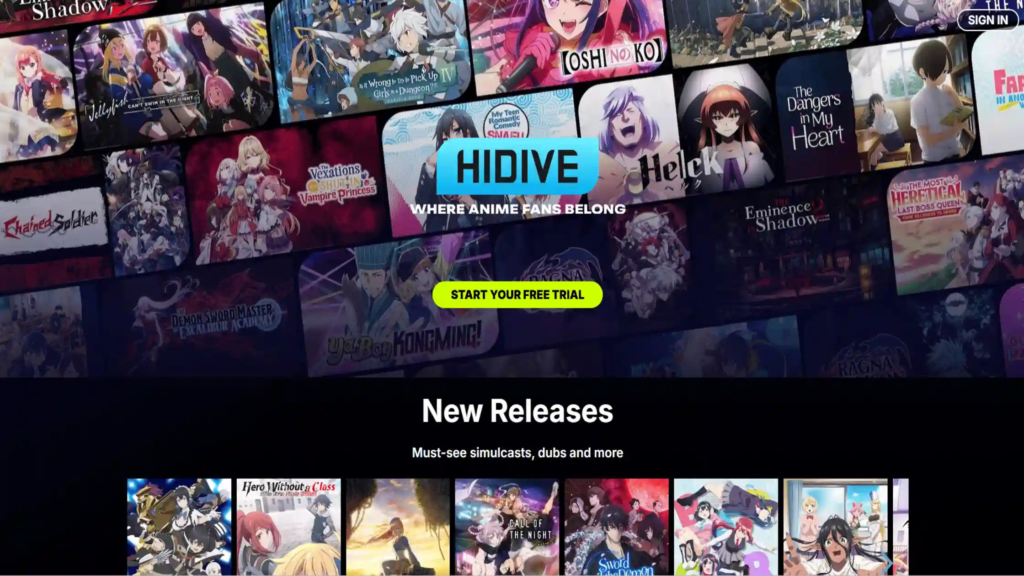
As of now, there’s no credible indication that Aniwave will return. Domains have gone offline, and mirror or clone sites are often unsafe, potentially carrying malware or phishing threats.
Instead, fans are encouraged to explore legal alternatives:
- Crunchyroll: Offers official catalogs, simulcasts, and community features.
- Funimation: Features a large library of dubbed content and official releases.
- Netflix: Provides a growing selection of anime, including exclusive titles.
- Hulu and Amazon Prime: Include additional licensed series.
Switching to legal platforms is the safest option and ensures that creators are compensated, providing another perspective on what happened to Aniwave and its impact on the anime streaming ecosystem.
The Legacy of Aniwave
Aniwave’s shutdown marks the end of a notable chapter in anime streaming.
For many, it was:
- A massive library connecting fans with the anime they loved.
- A community hub fostering discovery and shared enthusiasm.
- A reminder of the ongoing challenges in digital content distribution and copyright enforcement.
While the platform is gone, its impact remains. The shutdown pushes fans toward services that sustain the anime industry, enabling more creators to thrive and more stories to be told.
Aniwave’s disappearance is both an end and a lesson — showing the balance between accessibility, legality, and the future of digital entertainment. Understanding what happened to Aniwave allows fans to reflect on its legacy and the future of anime streaming.
Conclusion
In the end, what happened to Aniwave serves as a reminder of both the opportunities and challenges of online anime streaming. For nearly a decade, it provided millions of fans with free, instant access to a vast library of anime series and movies, becoming a beloved hub for discovery, entertainment, and community.
However, operating without proper licenses made the platform vulnerable to legal action. Increased copyright enforcement, operational risks, and the industry’s push toward legal streaming led to its permanent shutdown on August 27, 2024. Fans were left with a mix of nostalgia, frustration, and the realization that the digital world always comes with consequences.
While Aniwave is no longer accessible, its legacy continues. The closure encourages fans to explore safe, legal alternatives like Crunchyroll, Funimation, Netflix, and Hulu. These platforms not only provide high-quality streams but also support the creators and studios behind the shows we love.
FAQs
Q: What was Aniwave?
A: Aniwave was a popular free anime streaming website that offered both dubbed and subbed series without a subscription.
Q: Why did Aniwave shut down?
A: The site was closed due to copyright violations, legal pressure from global authorities, and anti-piracy actions.
Q: When did Aniwave go offline?
A: Aniwave permanently went offline on August 27, 2024.
Q: Is Aniwave coming back?
A: No, there is no credible information about Aniwave returning. Fans are encouraged to use legal streaming services.
Q: What are safe alternatives to Aniwave?
A: Legal platforms like Crunchyroll, Funimation, Netflix, Hulu, and Amazon Prime offer high-quality anime content.
