

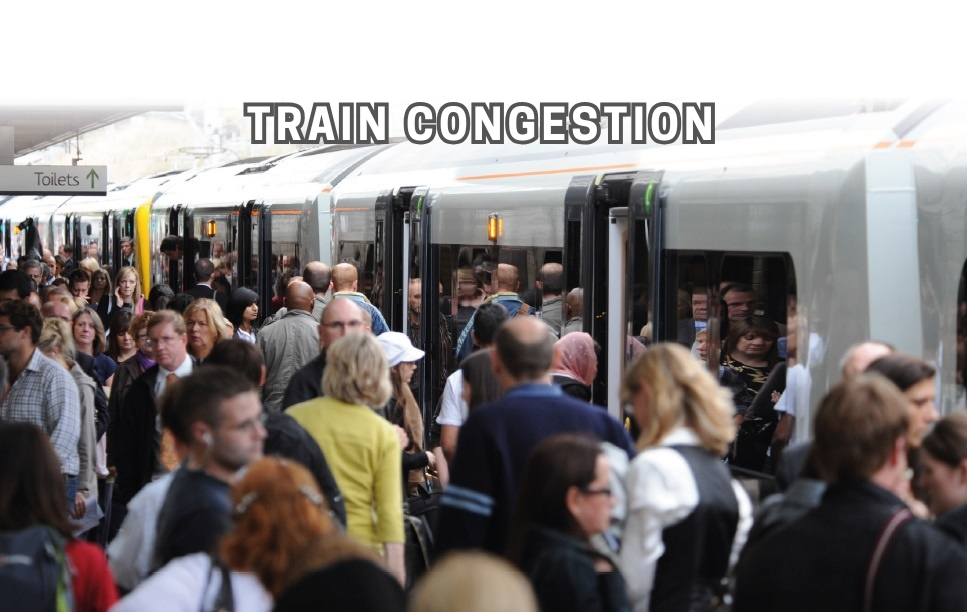
Train congestion is a major challenge for modern rail networks around the world. With more people traveling by train for work, leisure, or daily commuting, the number of trains on the tracks often exceeds the capacity of the railway infrastructure. This creates delays, operational challenges, and frustration for passengers and freight operators alike.
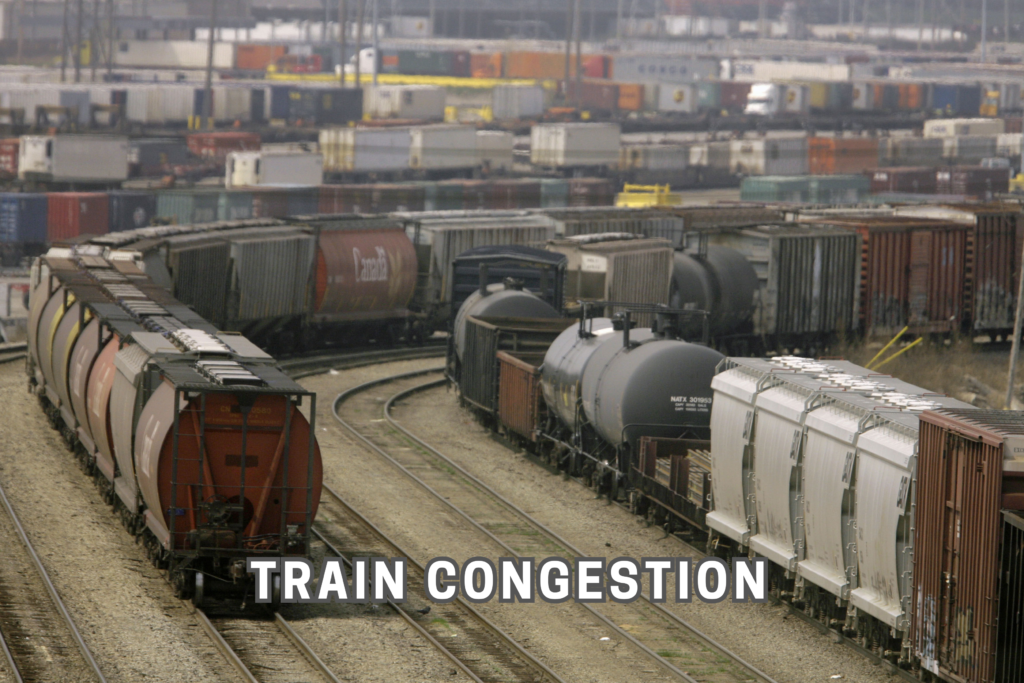
Train congestion occurs when there are too many trains trying to use the same tracks, stations, or junctions at the same time. In this situation, trains must wait for others to pass, schedules are disrupted, and the efficiency of the rail network declines. This is similar to a traffic jam on roads but occurs on railway lines where trains cannot simply change lanes.
Railway networks are usually planned carefully to ensure safety and efficiency. However, when demand grows faster than the available infrastructure, congestion becomes inevitable. High-density corridors in urban areas or busy freight routes are particularly prone to this problem.
Why Train Congestion Happens
One of the main causes of train congestion is the growing demand for rail travel. In densely populated cities, commuter trains are often filled beyond capacity during peak hours. Freight trains transporting goods also compete for track space, adding to congestion. In some countries, rail networks operate above 100% of their designed capacity.
Limited infrastructure is another key factor. Many rail corridors were built decades ago and cannot handle today’s traffic. Limited tracks, platforms, and junctions create bottlenecks. Even small delays on these sections can quickly cascade and affect the entire network.
Operational conflicts also contribute to congestion. Trains must be spaced safely to avoid accidents, and scheduling conflicts — like multiple trains needing the same track segment simultaneously — can delay trains. Real-time issues like accidents, maintenance work, or extreme weather further reduce track capacity and create additional congestion.
Effects of Train Congestion
Train congestion affects passengers, freight operators, and railway companies alike. For passengers, delays mean longer travel times and reduced reliability. Commuters may experience overcrowding and discomfort, particularly during peak hours.
For freight operators, congestion slows the delivery of goods. Delays increase operational costs and reduce efficiency. Companies depending on timely transport face financial losses, especially in regions where rail is the primary means of freight movement.
Congestion also affects the railway operators themselves. Delays require extra staff time, increase fuel consumption, and reduce overall system efficiency. Safety can also be affected when overcrowded stations or tightly packed trains increase the risk of accidents.
| Feature | Details |
|---|---|
| Topic | Train Congestion |
| Definition | A situation where too many trains use the same tracks or stations, causing delays. |
| Causes | High train traffic, limited tracks, scheduling conflicts, maintenance, accidents. |
| Impacts | Passenger delays, overcrowding, freight slowdowns, economic losses. |
| Solutions | Adding tracks, better scheduling, traffic management systems, operational improvements. |
| Affected Areas | Urban rail networks, high-density corridors, busy freight routes. |
| Future Approach | AI-based scheduling, infrastructure expansion, urban transport integration. |
Examples of Train Congestion Around the World
In India, heavily used rail corridors often operate beyond their capacity. Certain high-density routes see delays because tracks cannot accommodate the number of passenger and freight trains simultaneously. Projects such as adding extra tracks or dedicated freight lines are underway to reduce these issues.
In the United Kingdom, commuter trains into London and other major cities often experience overcrowding. Peak hour services struggle to maintain schedules, and passengers frequently encounter delays. Similarly, urban train networks in Europe and Japan also experience congestion in dense urban areas, though advanced signaling and scheduling systems help mitigate the problem.
In the United States, busy metro areas with limited track capacity also face congestion. Freight and passenger trains compete for shared tracks, leading to delays in both sectors.
Strategies to Reduce Train Congestion
One of the most effective strategies is infrastructure expansion. Adding new tracks, platforms, or bypass lines increases capacity and reduces conflicts. Dedicated freight corridors allow cargo trains to run separately from passenger services, reducing delays for both.
Advanced scheduling and traffic management also help. Digital traffic systems can monitor train locations in real time and adjust schedules dynamically. These systems reduce conflicts and ensure that trains move efficiently even when disruptions occur.
Operational improvements include giving priority to certain trains, adjusting schedules to reduce peak-hour pressure, and planning maintenance during low-traffic periods. Minor changes in dispatching rules can significantly reduce congestion without major infrastructure investment.
Capacity analysis and planning are essential for long-term solutions. Rail operators use data to forecast congestion, analyze track usage, and plan improvements. By understanding where delays are most likely, operators can make targeted investments and optimize train flow.
Future Approaches to Train Congestion
The future of congestion management lies in technology and research. Artificial intelligence and machine learning are being applied to predict delays and optimize train movement. These tools can simulate network performance, test scheduling strategies, and improve real-time decision-making.
Urban planning also plays a role. Integrating rail planning with city development reduces peak-hour pressure on Train congestion. Encouraging alternative transport modes and flexible commuting times can lower congestion without new tracks.
Researchers continue to study how small delays propagate through networks and how to reduce “ripple effects.” With careful management and technological innovation, rail networks can increase capacity, improve reliability, and reduce delays for passengers and freight alike.
Conclusion
Train congestion is a complex challenge affecting millions of people worldwide. It occurs when the number of trains exceeds the capacity of the rail infrastructure, leading to delays, overcrowding, and reduced efficiency. The causes are varied, including high demand, limited tracks, operational conflicts, and external disruptions.
The impacts are felt by passengers, freight operators, and railway companies. Crowded trains, delayed schedules, and financial losses make congestion a critical issue for transport planning.
However, solutions exist. Infrastructure upgrades, advanced scheduling, operational improvements, and research-based planning all help reduce congestion. By adopting modern technology and carefully managing train movement, rail networks can provide faster, safer, and more reliable service to millions of passengers and businesses.
Train congestion may not disappear entirely, but with proactive planning and investment, its effects can be minimized — ensuring trains remain a vital and efficient part of modern transportation systems.
FAQs
Q1: What is train congestion?
A: Train congestion happens when too many trains try to use the same tracks or stations, causing delays and slow movement.
Q2: What causes train congestion?
A: It is caused by high train traffic, limited tracks, scheduling conflicts, delays, accidents, and maintenance work.
Q3: How does train congestion affect passengers?
A: Passengers face delays, overcrowding, longer travel times, and reduced reliability of train services.
Q4: Can train congestion affect freight trains?
A: Yes, congestion slows freight delivery, increases costs, and disrupts supply chains.
Q5: How can train congestion be reduced?
A: It can be reduced by adding tracks, better scheduling, digital traffic management, and operational improvements.
