

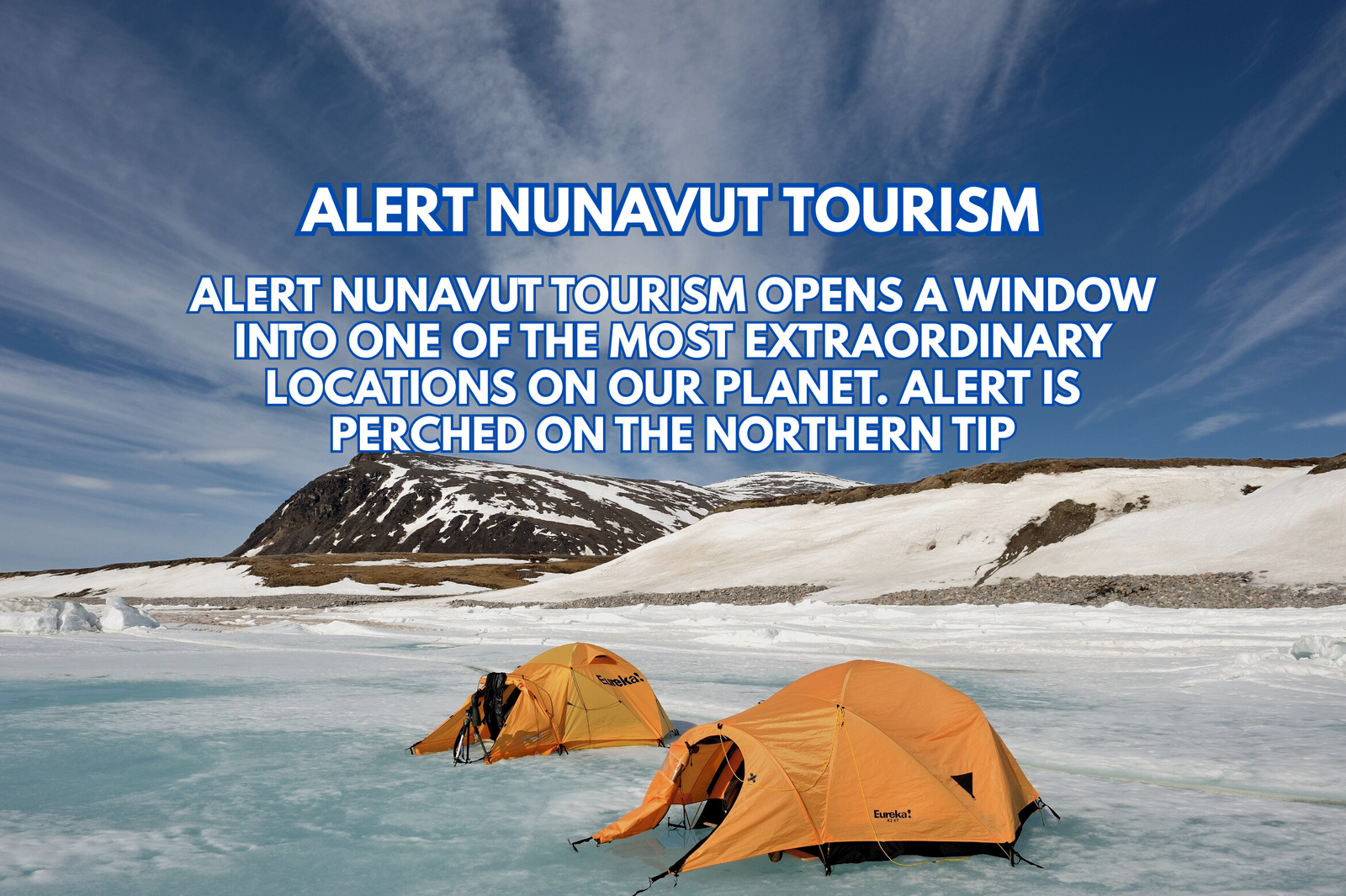
Alert Nunavut Tourism opens a window into one of the most extraordinary locations on our planet. Alert is perched on the northern tip of Ellesmere Island in Canada’s Nunavut territory, making it the northernmost continuously inhabited location in the world. Lying 817 kilometers (508 miles) from the North Pole, Alert offers landscapes, climates, and experiences unlike anywhere else.
Unlike busy tourist cities, Alert Nunavut Tourism is not about leisure. It is a remote hub for scientific research and military presence, where personnel live temporarily, enduring one of Earth’s harshest environments. For most, it represents the ultimate Arctic adventure — a place of extremes, silence, and breathtaking natural beauty.
Visiting Alert isn’t like visiting other destinations. Here, ice-covered terrains, fierce winds, and temperatures below −40°C dominate. There are no hotels, resorts, or shopping centers. Yet for those pursuing Alert Nunavut Tourism, the rewards are unparalleled: stark landscapes, the aurora borealis, and the raw Arctic wilderness.
The Origins of Alert
The history of Alert begins with Arctic exploration. It was named after HMS Alert, a British ship that wintered in the surrounding waters in 1875–1876. The modern settlement was established in 1950 as part of the Joint Arctic Weather Station (JAWS) project. Scientists stationed here collected crucial meteorological data, which remains important for understanding global climate patterns.
During the Cold War, Alert’s position made it vital for military and communications monitoring. Over time, it became a scientific research hub, contributing to climate monitoring, atmospheric studies, and satellite communications. Though residents rotate in shifts, Alert Nunavut Tourism continues to attract attention for its extreme location and ongoing human presence.
Life in the High Arctic
Living in Alert is unique. Daily life revolves around work, survival, and community, not traditional urban comforts. Most residents are scientists, technicians, or military staff, typically stationed for three to six months.
Buildings are functional and insulated, providing modern heating and electricity, along with limited internet. People work on research projects, maintain vital equipment, and contribute to station operations. Evenings are spent in communal activities like movies, games, or shared meals. Alert Nunavut Tourism highlights how life here depends heavily on teamwork and preparation.
Isolation means supplies must be carefully managed. Food, fuel, and essentials arrive periodically, requiring careful planning. Visitors and residents must adapt to extreme conditions, emphasizing resilience and self-sufficiency.
| Attribute | Details |
|---|---|
| Name | Alert, Nunavut |
| Type | Remote Arctic settlement / military & research outpost |
| Location | Northern tip of Ellesmere Island, Nunavut, Canada |
| Distance from North Pole | 817 km (508 miles) |
| Population | Temporary: Scientists & military personnel (rotational) |
| Established | 1950 (as modern settlement / weather station) |
| Climate | Polar tundra; extremely cold, snow-covered most of the year |
| Notable Features | Northernmost inhabited place on Earth, polar day/night, aurora borealis |
| Accessibility | Military flights or specialized charters; not open to public flights |
| Tourism Type | Extreme adventure, scientific observation, Arctic exploration |
| Nearby Attractions | Quttinirpaaq National Park, Ellesmere Island, Nunavut communities |
Extreme Climate and Natural Wonders
Alert experiences a polar tundra climate, marked by bitter cold, strong winds, and long winter nights. Snow covers most of the landscape, and even summer temperatures remain chilly.
One of the highlights of Alert Nunavut Tourism is witnessing the midnight sun in summer, when daylight persists for weeks. Conversely, winter brings the polar night, a period of near-total darkness illuminated by the moon or northern lights.
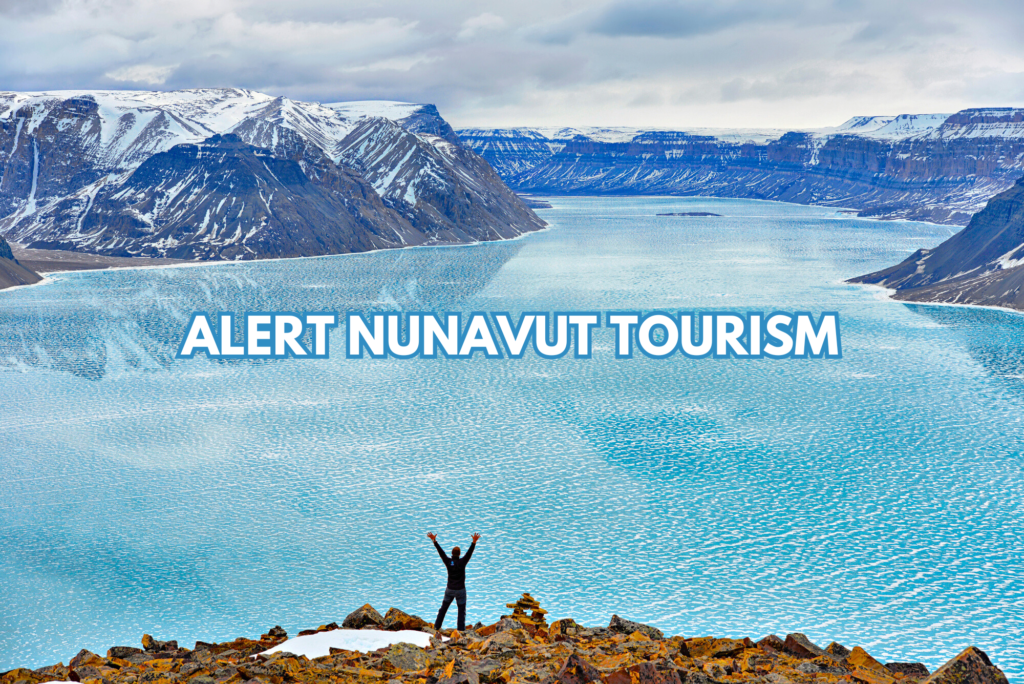
The region’s natural beauty is unmatched. Endless ice fields, crisp Arctic air, and occasional wildlife — including arctic foxes, hares, and polar bears — create a pristine, untouched environment. Visitors to Alert Nunavut Tourism experience a rare glimpse into a world few have seen.
Tourism: A Rare Journey
Tourism in Alert is limited and requires planning. There are no commercial flights or tour operators; access is usually via military flights or specialized charters. Travel often begins with flights to Canadian northern hubs, potentially stopping in Greenland before reaching Alert’s airstrip, the northernmost airport in the world.
For those who make it, Alert Nunavut Tourism is transformative. Standing at the top of the world, surrounded by vast ice fields, provides a profound sense of awe. The combination of isolation, extreme weather, and incredible natural phenomena makes this destination unforgettable.
Best Time to Visit
The optimal time for Alert Nunavut Tourism is summer, from June to August. Temperatures are milder, daylight lasts all day, and travel is more reliable. Visitors must bring heavy-duty cold-weather gear, emergency supplies, and mental preparedness.
Winter visits are rare due to extreme cold and prolonged darkness. Yet those who venture during winter witness an extraordinary Arctic world, with silence, frozen landscapes, and a star-filled sky that few people ever see.
Cultural Significance and Nunavut Tourism
Although Alert itself has no indigenous population, Nunavut is rich in Inuit culture. Travelers exploring broader Nunavut tourism can engage in storytelling, throat singing, carving, and cultural celebrations.
Pairing a visit to Alert with excursions to communities such as Iqaluit, Nunavut’s capital, provides insight into traditional ways of life. Sustainable tourism here emphasizes respect for local culture and environmental stewardship, making Alert Nunavut Tourism both a natural and cultural adventure.
Why Alert Captures the Imagination
Alert Nunavut Tourism appeals to explorers seeking the ultimate frontier. Few humans tread this frozen edge of the world, and the environment demands respect, resilience, and wonder. Standing here is about discovery, reflection, and feeling connected to the planet in its most extreme form.
Travelers often describe the sensation of being at the “top of the world.” The skies seem closer, the Arctic air is crisp, and the immense ice landscapes humble even the most experienced adventurers.
Conclusion
Alert Nunavut Tourism is not about luxury or comfort. It is about raw nature, extreme conditions, scientific contribution, and human resilience. While traditional tourist services do not exist, the experiences and memories it offers are extraordinary.
For those willing to push boundaries and witness the Arctic in its purest form, Alert Nunavut Tourism provides an unforgettable journey. It is a testament to the power of exploration and the enduring allure of one of the most remote places on Earth.
FAQs
Q: What is Alert Nunavut Tourism?
A: It refers to visiting Alert, the northernmost inhabited place on Earth, for Arctic exploration, research observation, and extreme adventure.
Q: Can tourists freely visit Alert?
A: No, access is limited to military flights or special permits; public tourism is extremely restricted.
Q: When is the best time to visit Alert?
A: Summer (June to August) is best, with milder temperatures and continuous daylight for easier travel.
Q: What can visitors see in Alert?
A: Stunning ice landscapes, Arctic wildlife like foxes and hares, polar night/day phenomena, and the northern lights.
Q: Does Alert have hotels or restaurants for tourists?
A: No, there are no traditional amenities; visitors must rely on station facilities and bring their own supplies.
