

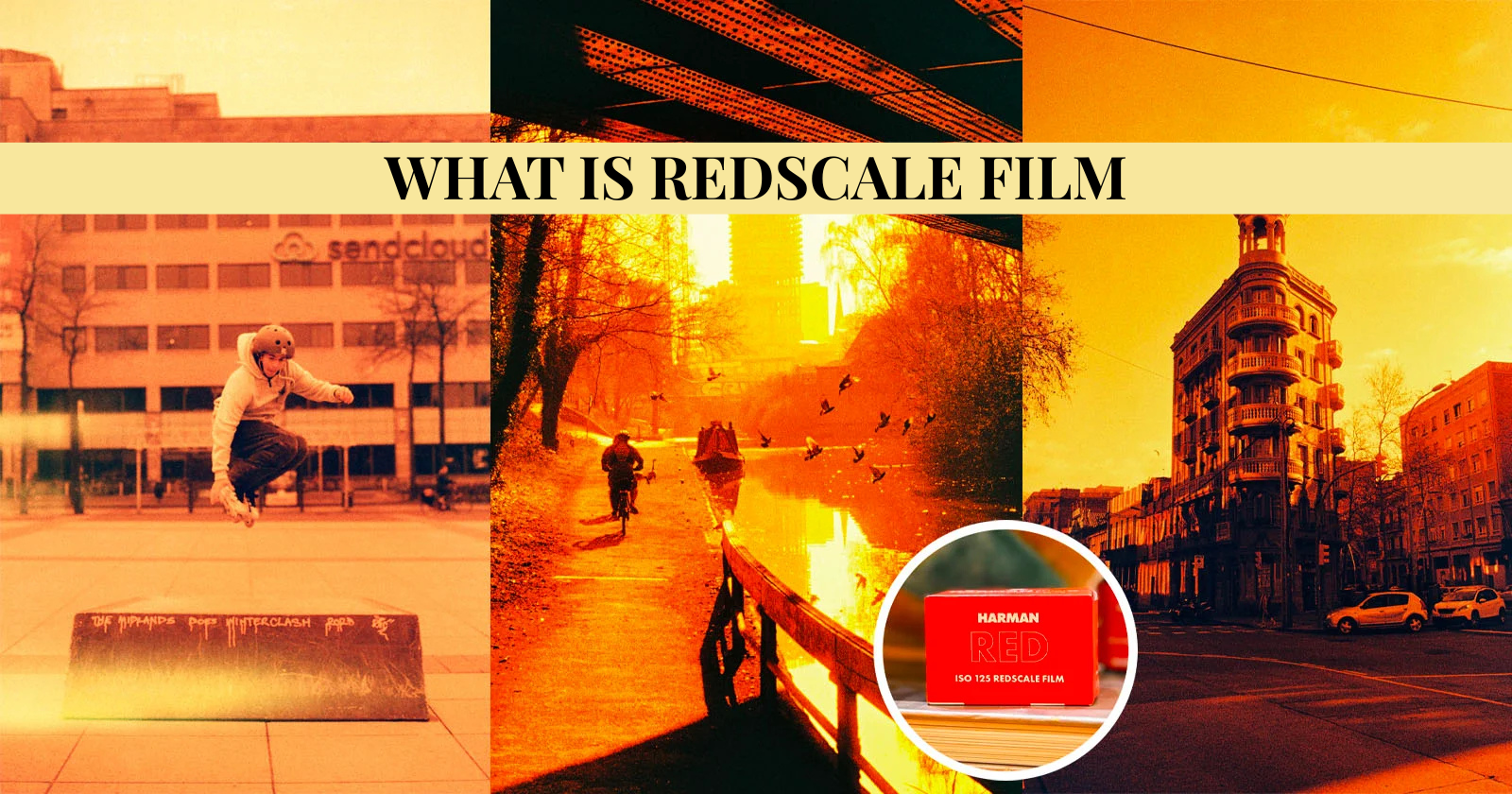
What is redscale film and why do photographers love it? Redscale film is one of the most fascinating tools in analog photography. It gives color film a beautifully warm, red‑orange, and amber look — colors that feel emotional, surreal, and artistic in ways ordinary film rarely achieves. Photographers around the world are drawn to it because of its unique tone, unpredictability, and the emotional mood it can create. In this article, we explore what is redscale film, its history, how it works, and why it remains a popular choice for creative photographers today.
A Human Perspective on Redscale Film
Before diving into the technical details, imagine what is redscale film as a person. Its “name” would naturally be Redscale Film, a creative personality that inspires photographers everywhere. Its age could be considered the late 1990s to early 2000s, when photographers first discovered this striking effect by accident while loading film backwards in their cameras.
In appearance, redscale film shows warm, intense reds, amber tones, and dreamy highlights that feel almost like sunset light captured forever. Its personality is creative, unpredictable, experimental, bold, and expressive — the artistic rebel of the analog film world. Its “lifestyle” involves living inside cameras across the globe, inspiring photographers to experiment with exposure, light, and color. Though it has no social media accounts or literal family, its presence is celebrated across platforms like Instagram, Flickr, and Tumblr, where every redscale image carries a recognizable visual signature. Through these characteristics, photographers understand the essence of what is redscale film beyond just the technical process.
The Origin of Redscale Film
To understand what is redscale film, it helps to know its origin. Redscale film was not invented in a lab or through marketing — it began as a happy accident. Back in the days of analog photography, photographers sometimes loaded film canisters backward by mistake. When this happened, light hit the red-sensitive layer first, creating unexpectedly warm, dramatic tones.
Standard color film passes light through three layers — blue, green, and then red — to produce natural colors. In redscale, the red layer is exposed first, giving images strong red and orange casts. Photographers quickly realized the creative potential and began intentionally loading film backward. Today, redscale is a celebrated artistic technique known for its unique warmth and ability to produce emotive images, fully answering the question of what is redscale film in practice.
| Attribute | Details |
|---|---|
| Name | Redscale Film |
| Type | Analog color photography film |
| Origin / Age | Late 1990s – early 2000s |
| Appearance | Warm red, orange, and amber tones |
| Personality / Style | Creative, experimental, artistic |
| Use / Purpose | Produces surreal, emotional, and dreamy images |
| Famous For | Unique red and orange color casts |
| Film Type | Color negative film (can be standard or specialized) |
| Developing | Standard C-41 process |
| Social Media / Presence | Celebrated on Instagram, Flickr, and film photography communities |
| Popularity | Loved by analog photographers for mood and creativity |
How Redscale Film Works
Understanding what is redscale film also involves a basic grasp of its mechanics. Standard color negative film contains three light-sensitive layers stacked to record blue, green, and red light. When the film is loaded backward for redscale photography, light hits the red layer first. This dominance of red creates photographs with deep reds, soft oranges, golden highlights, and dramatic shadows.
The effect feels like viewing the world through a warm filter that amplifies emotion and mood, giving photos a surreal, painterly quality. Photographers use this technique to create images that convey feeling and narrative, emphasizing mood over color accuracy. This is one of the main reasons why understanding what is redscale film is important for creative analog photography enthusiasts.
Types of Film Suitable for Redscale Photography
Not all films respond equally to redscale photography, but most color negative films can be adapted. Specialized Lomography Redscale Film is designed for rich red tones and versatile exposure ranges. Expired color films often produce unpredictable, creative results, while standard films like Kodak or Fuji can also achieve beautiful effects when loaded backward.
Many photographers even reload standard film into empty canisters backward, creating custom DIY redscale rolls. This approach allows experimentation with exposure and mood, which is another way to understand the real essence of what is redscale film and its creative potential.
Shooting Tips for Redscale Film
Shooting redscale film requires experimentation. Because redscale images often appear underexposed with standard settings, overexposing by one or two stops brings out more detail and richer colors. Natural light, especially during golden hour or in open shade, enhances warm tones and creates deep, soft shadows.
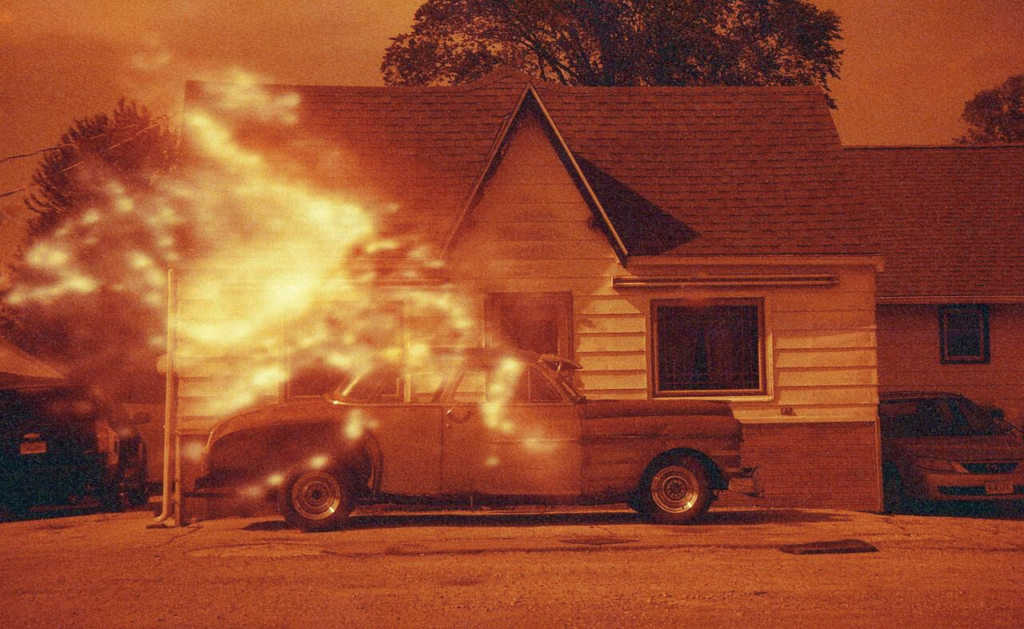
Different lenses also affect results: soft lenses produce muted, dreamy effects, while higher-contrast lenses generate bold, intense red tones. Double exposures work well with redscale, blending images to create layered, surreal effects. These shooting techniques help answer the ongoing question many beginners have: what is redscale film and how do I use it creatively.
The Unique Colors of Redscale
Every redscale roll is unique, producing deep, burnt reds, soft orange glows, pale yellow highlights, and dramatic shadows. Many describe the effect as capturing a sunset frozen in time or looking through firelight. Unlike standard photography, redscale emphasizes mood and emotion over accurate color. Every photograph taken with redscale film is expressive and distinct, which is precisely what photographers mean when they explore what is redscale film in their work.
Redscale vs. Cross Processing
Redscale is sometimes confused with cross processing, but the techniques are different. Cross processing develops film in the “wrong” chemicals for high saturation and contrast. Redscale does not require chemical alteration; the effect comes from loading the film backward. Redscale images are warmer, emotional, and atmospheric, while cross-processed images are vivid and punchy. Knowing this difference clarifies the artistic role of what is redscale film in photography.
Why Photographers Love Redscale Film
Even today, redscale maintains a strong following. Photographers are drawn to its creativity, unpredictability, and organic feel compared to digital filters. They enjoy the surprise factor — no one can predict exactly how a roll will turn out until developed. Redscale requires minimal equipment — a camera, film, and curiosity — making it accessible for beginners and professionals alike. Most importantly, it prioritizes emotion over technical precision, highlighting why photographers continue to ask what is redscale film and why it remains relevant in modern photography.
Developing and Scanning Redscale Film
Redscale film is developed using standard C‑41 color processes. During scanning, photographers often adjust saturation and contrast to highlight the film’s warm tones and preserve shadows. There’s flexibility in development, allowing photographers to emphasize the unique warmth and mood of each image. This flexibility is part of the ongoing fascination with what is redscale film and why it is considered an expressive analog tool.
Redscale in the Digital Age
Even in a digital world, redscale thrives. Social media platforms showcase thousands of redscale images under hashtags like #redscale. Online communities share tips, techniques, and results. Workshops often include redscale demonstrations. Its continued popularity highlights how learning what is redscale film can enhance both analog and hybrid digital workflows for creative photographers.
Common Myths About Redscale Film
Several myths exist around redscale. Some think it is just a filter, or that it only produces red images. In reality, results include oranges, yellows, and subtle tones depending on light and exposure. Some also believe special film is required, but even standard color film loaded backward produces excellent results. Understanding these facts clarifies what is redscale film beyond myths and misconceptions.
Final Thoughts: Redscale as Art
Redscale photography teaches that art comes from curiosity, experimentation, and embracing imperfection. Creativity is not always precise, color can convey emotion, and surprises often produce beauty. Whether an analog veteran or a beginner, exploring what is redscale film offers a unique way to see and capture the world. Many photographers describe it as painting with light and mood — an invitation to explore color, emotion, and creative freedom.
FAQs
Q: What is redscale film used for?
A: Redscale film is used to create warm, red-orange tones in photos, giving images a dreamy, artistic, and emotional look.
Q: Can any film be used for redscale photography?
A: Most color negative films can be used, but specialized redscale or reloaded films give the most consistent results.
Q: How do you shoot redscale film correctly?
A: Load the film backward, overexpose slightly, and use natural light for vibrant reds and soft highlights.
Q: Is redscale film digital or analog only?
A: Redscale is an analog film technique, but the developed images can be scanned and edited digitally.
Q: Why is redscale film popular among photographers?
A: Its unpredictability, warm colors, and emotional tones make it ideal for creative and artistic photography.
