

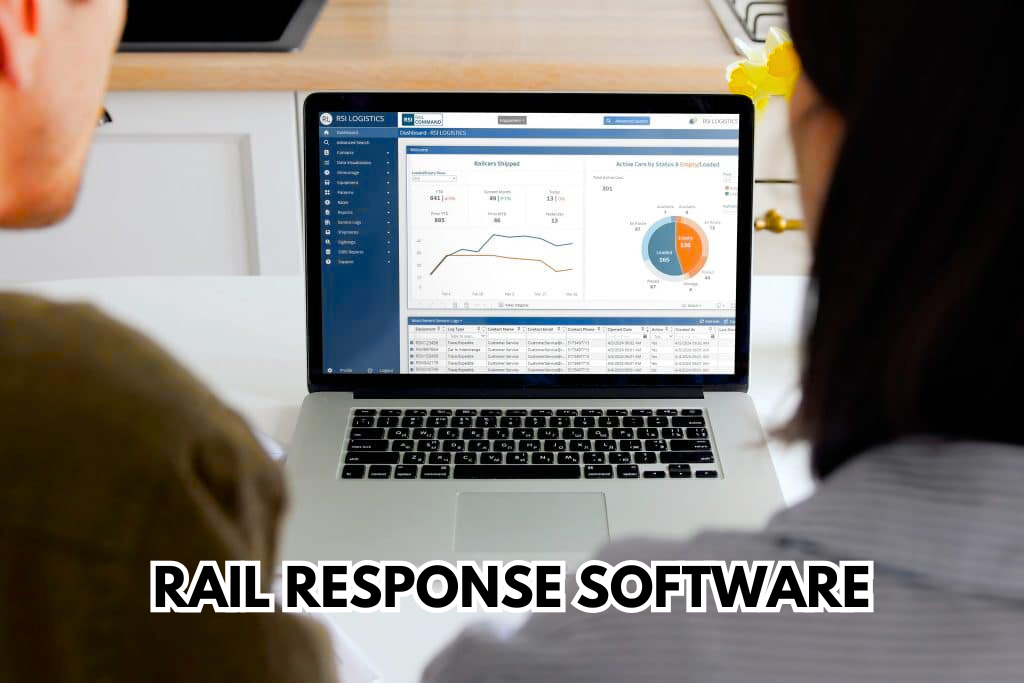
In an industry as complex and safety-critical as rail transportation, having timely and accurate information during an emergency isn’t just helpful — it’s essential.
Rail response software is a transformative technology that empowers emergency teams, train operators, and public safety professionals to respond faster and more effectively when incidents occur on the rail network.
Whether it’s a derailment, hazardous material spill, or blocked crossing, rail response software gives responders the tools they need to make safer, smarter decisions.
In this article, we’ll explore what rail response software is, how it works, its key benefits, real-world examples, and why it is reshaping emergency response across the modern railway industry.
What Is Rail Response Software?
At its core, rail response software is a digital platform designed to streamline incident awareness, emergency coordination, asset tracking, and safety communication along railway systems.
These solutions combine data from train movements, rail infrastructure, hazardous material manifests, and emergency management systems to create a central source of truth for quick, accurate decision-making.
Rather than dispatchers and responders trying to collect fragmented pieces of information during a crisis, rail response software aggregates everything — locations, risks, evacuation zones, train contents, and responder assignments — into a unified interface.
When seconds count, this centralized visibility can save lives, protect communities, and reduce the impact of emergencies significantly.
How Rail Response Software Works
Rail response software works by connecting to multiple sources of information.
Train telematics and GPS tracking show the exact location of trains across the network.
Hazardous materials manifests identify cargo types and associated risks.
Geospatial Information Systems (GIS) map sensitive areas such as hospitals, schools, and densely populated zones.
Responder databases list firefighters, police, EMS units, and their availability.
Evacuation and safety modeling calculates safe buffer zones and impact areas for emergency planning.
A notable example is RailResponse, which integrates with systems like the Hazmat Transportation Analytical Risk Model (H-TRAM) to provide situational awareness during hazardous material incidents.
It displays train locations, blocked crossings, and safety zones, while helping responders plan evacuations based on population density.
These platforms are usually accessible via mobile apps, tablets, and desktop systems, allowing responders to get instant access to crucial data while en route to an emergency.
| Feature | Details |
|---|---|
| Name | Rail Response Software |
| Type | Emergency Management & Rail Safety Tool |
| Users | Rail Operators, Emergency Responders, Dispatchers |
| Purpose | Real-time incident tracking, hazard alerts, and coordination |
| Key Features | Train tracking, hazardous materials info, GIS mapping, notifications |
| Accessibility | Mobile apps, tablets, desktop platforms |
| Benefits | Faster response, improved safety, better communication, compliance |
| Examples | AskRail, RailResponse |
| Release Year | 2014 (AskRail) |
| Region | North America & Global Rail Networks |
The Safety Challenge in Rail Emergencies
Railroads carry thousands of hazardous materials daily, including flammable liquids, toxic gases, and corrosive chemicals.
In an accident, responders need instant access to accurate information about each railcar’s contents, possible risks, and recommended safety actions.
Traditional approaches relied on calling railroad staff or waiting for physical shipping documents. This process could take valuable minutes or hours, delaying critical decisions.
Rail response software eliminates these delays, providing real-time data digitally.
Major accidents, such as train derailments, emphasize the need for fast and informed action. Responders must know the cargo involved and the safest way to handle it to prevent escalation or secondary hazards.
Real-World Examples: AskRail & RailResponse
Two widely used rail response tools today are AskRail and RailResponse, each serving critical functions in rail safety and emergency preparedness.
AskRail: A First Responder’s Companion
AskRail is a mobile safety app developed by the Association of American Railroads, Railinc, and participating railroads.
Released in 2014, it has become an essential tool for first responders across North America.
Key Features:
- Search by railcar ID to identify hazardous materials.
- View the full train consist — all cars and their positions.
- Access emergency contacts for major railroads.
- Display isolation zones and nearby critical areas such as schools and hospitals.
Once a responder enters a railcar ID, AskRail provides the hazard class and other critical details, which are essential for planning evacuations, selecting protective equipment, and avoiding unnecessary hazards.
Today, over 2.3 million first responders use AskRail as part of their emergency response training.
RailResponse: Enhanced Emergency Information
RailResponse is used by major railroads, including CSX.
It provides near real-time details about train cargo, location, and hazardous material status.
The platform earned a Public Safety GIS Award of Excellence for helping responders quickly identify train contents and take protective actions during emergencies.
Unlike earlier systems that offered basic data, RailResponse delivers advanced insights.
- Real-time train positions
- Hazardous material classification
- Predictive safety buffers
- Mobile accessibility for responders on-site
This ensures responders are fully informed and prepared before arriving at the scene.
Benefits of Rail Response Software
Implementing rail response software has several key advantages.
Faster and Smarter Decision-Making
Centralized access to real-time data allows responders to act immediately.
No more waiting for paper reports or verbal updates — responders know what they’re dealing with, including cargo types and train configurations.
Faster insights mean quicker containment, reduced damage, and potentially saved lives.
Enhanced Safety and Situational Awareness
GIS mapping shows nearby sensitive locations, helping responders plan safe evacuations.
Software can also calculate safety distances based on hazardous material types, ensuring scientific and accurate guidance for first responders.
Better Communication Across Agencies
These platforms serve as a single source of truth for fire departments, police, EMS, railroad operators, and 911 dispatch centers.
Some integrate with emergency communication systems, ensuring incident details reach responders immediately, even before they arrive on-site.
Efficient Documentation and Compliance
Software automatically logs critical incident data — what happened, when, who responded, and what actions were taken.
This helps with regulatory compliance, post-event analysis, and organizational learning, and supports improvements for future emergencies.
The Future of Rail Safety Technology
Rail response software is part of the digital transformation in the rail industry.
Developers are integrating real-time analytics, AI, edge computing, and emergency management systems to create smarter, faster, and safer rail networks.
Some systems are connecting directly to national emergency platforms, giving responders immediate alerts and detailed cargo information.
As rail networks expand and freight volumes grow, rail response software will become an essential safety tool for operators and emergency services worldwide.
Conclusion
Rail response software is more than just technology — it’s a lifeline for safety.
It allows emergency responders, railroad operators, and public safety teams to act quickly, communicate effectively, and make informed decisions during incidents.
From AskRail, which provides detailed hazardous material information, to RailResponse, which offers full situational awareness and predictive modeling, these tools save lives, protect property, and enhance operational efficiency.
Understanding and leveraging rail response software isn’t just an advantage — it’s essential for modern rail safety and emergency management.
FAQs
Q: What is rail response software?
A: Rail response software is a digital tool that helps rail operators and emergency teams manage incidents, track trains, and respond quickly to accidents or hazards.
Q: Who uses rail response software?
A: It is used by train operators, dispatchers, emergency responders, and safety officials to improve coordination and decision-making during rail emergencies.
Q: How does rail response software improve safety?
A: By providing real-time train locations, cargo details, and hazard alerts, it helps responders act faster and reduce risks to people and property.
Q: Can rail response software track hazardous materials?
A: Yes, it identifies hazardous cargo on trains and provides safety guidance for handling spills, leaks, or accidents.
Q: Is rail response software accessible on mobile devices?
A: Yes, most modern rail response platforms work on smartphones, tablets, and computers for quick access during emergencies.
