

When it comes to managing roads and underground utilities in the United Kingdom, the NJUG Guidelines play a vital role in ensuring safety, organisation, and consistency across streets and development sites. These guidelines — now published under Street Works UK — provide a clear framework for how underground pipes, cables, and other utility apparatus should be positioned, identified, and maintained.
Recognised throughout the UK utility and construction industries, the NJUG guidelines are considered key best-practice guidance for safe and efficient street works. They help utility providers, local authorities, and contractors minimise disruption, protect infrastructure, and maintain public safety, making them an essential reference for anyone involved in street works projects. (Streetworks)
Understanding NJUG
The National Joint Utilities Group (NJUG) started as a trade association representing major utility sectors, including electricity, gas, water, sewage, and telecommunications. These sectors often face complex challenges when performing street and underground works. NJUG was formed to provide a platform for coordination, sharing best practices, and standardising approaches to utility management. (Njug)
Over time, NJUG evolved into what is now known as Street Works UK, a cross-sector body focused on improving standards, promoting collaboration, and providing guidance to all stakeholders involved in street works. This transformation allowed better coordination between government departments, highway authorities, contractors, and utility companies. (Njug)
Street Works UK ensures that design and construction activities minimise impact on road users and communities while maintaining high safety and efficiency standards. Their work also supports sustainable infrastructure planning, helping the UK meet both current and future utility needs. (Njug)
Purpose of the NJUG Guidelines
At their core, the NJUG guidelines are non-statutory recommendations, meaning they are not legally required, but they are highly encouraged as industry standards.
The primary goals of these guidelines are to promote safety for workers and the public during excavation and installation, reduce damage to existing infrastructure such as gas mains, electricity cables, and water pipes, and help utility teams work consistently and predictably across road and street environments.
Additionally, the guidelines aim to improve coordination between utility companies, councils, and contractors, reducing the risk of delays or service disruptions. By following these recommendations, projects can be carried out safely, efficiently, and with minimal disruption, producing long-term benefits for both the public and utility operators.
| Attribute | Details |
|---|---|
| Full Name | National Joint Utilities Group (NJUG) |
| Also Known As | Street Works UK (current body managing guidelines) |
| Type | Trade association / Industry guidance body |
| Founded | 1968 (as NJUG) |
| Purpose | Provide NJUG Guidelines for safe, standardised underground and street works |
| Headquarters | United Kingdom |
| Key Focus | Safety, coordination, environmental best practice, utility placement |
| Target Audience | Utility companies, contractors, engineers, local authorities |
| Website | njug.org.uk |
What the Guidelines Cover
The Street Works UK/NJUG publications are divided into several volumes, each addressing different aspects of utility works. (Streetworks)
1. Positioning and Colour Coding of Underground Apparatus
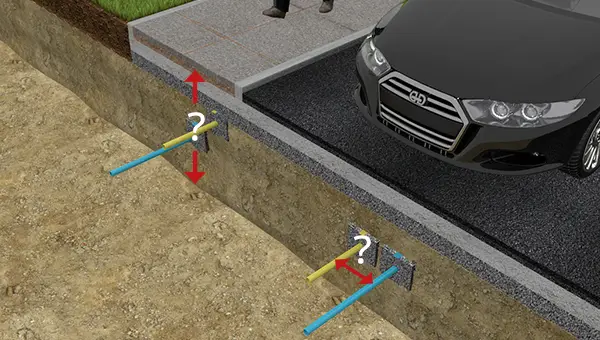
This volume provides detailed guidance on where utility apparatus should be positioned beneath roads and footways. It also explains how these utilities should be colour-coded, allowing engineers and workers to identify them quickly and safely.
For instance, gas services are marked with specific colours and recommended burial depths, while electricity cables, water pipes, and telecommunications infrastructure also follow colour and depth standards. These practices prevent accidental damage during excavation and make maintenance safer and more efficient. (Sibbald Training)
2. Positioning of Utilities for New Development Sites
This volume is especially relevant for construction and new development projects. It ensures that utility apparatus is installed in a way that supports future maintenance, accessibility, and performance.
Key recommendations include following standard positioning and colour-coding, ensuring apparatus meets the needs of future users and maintenance teams, and coordinating early between developers and asset owners to meet guidelines before installation.
By following these recommendations, projects maintain efficiency on construction sites and prevent costly adjustments or redesigns later. (Enfield Council)
3. Proximity to Trees — Planning and Installation
While trees enhance urban streetscapes, they can make underground utility installations more complex. Volume 4 provides guidance on planning, installing, and maintaining utility infrastructure near trees so that neither trees nor utilities are compromised.
Most tree roots grow near the surface, so failing to account for them can lead to damaged trees and unstable infrastructure. Following these guidelines ensures safe installation while protecting the environment. (Njug)
4. Environmental Good Practice
This guidance focuses on minimising the environmental impact of utility works. Best practices include reducing waste generation, planning safe disposal and discharge procedures, and avoiding unnecessary disturbance to the ground and local wildlife habitats.
Adhering to environmental guidance helps projects meet sustainability goals while supporting local communities and ecosystems, reflecting a modern approach to responsible infrastructure development. (Njug)
5. Coordination, Co-operation & Communication
Volume 6 explains how stakeholders should coordinate planning and execution to prevent overlaps, delays, and miscommunication. Clear communication ensures that all parties are aware of project timelines and potential disruptions.
By following these coordination practices, utility companies, contractors, and local authorities achieve smoother project delivery, minimise errors, and maintain public satisfaction. (Njug)
Core Principles Behind the Guidelines
The NJUG vision emphasises several key principles: (Scribd)
- Safety is the top priority.
- Damage prevention to underground assets protects both services and the public.
- Utilities and authorities should collaborate wherever possible.
- Work quality must be consistent and high.
- Innovation and sustainable methods are encouraged.
These principles guide decision-making on-site, helping teams balance safety, efficiency, and long-term infrastructure sustainability.
Why NJUG Guidelines Matter
Enhanced Safety
The guidelines help workers understand exactly where utilities are located, reducing risks of injury, utility strikes, and serious accidents. Safe excavation practices and proper markings prevent costly and dangerous errors.
Reduced Disruption
By adhering to positioning and scheduling recommendations, utility providers can avoid repeated excavation, minimise traffic disruptions, and reduce inconvenience to local communities. Careful planning also reduces emergency repairs and ensures work is completed efficiently. (Njug)
Better Communication and Collaboration
NJUG encourages early and open communication among all project participants. This approach prevents misalignment in schedules, ensures everyone is aware of upcoming work, and reduces costly delays. (HAUC(UK))
Stronger Compliance and Best Practice Standards
Even though the guidelines are not legally binding, many local authorities endorse them as industry standards. Following NJUG guidance demonstrates professionalism and commitment to safe, high-quality work, increasing trust with clients and communities.
Practical Use in Everyday Projects
In practice, NJUG guidelines help engineers and planners read and interpret utility drawings accurately, plan excavation paths to avoid critical services, use colour-coded ducts and markers for easy identification, and align works with local authority road works planning cycles.
Professionals often reference both NJUG guidance and legal requirements, such as the Code of Practice for Safety at Street Works and the New Roads and Street Works Act 1991, to ensure compliance and safe execution on site.
Conclusion
The NJUG Guidelines — now part of Street Works UK — remain a cornerstone of UK street works. By providing widely recognised recommendations for positioning, identifying, and coordinating underground utilities, these guidelines allow stakeholders to work safely, efficiently, and collaboratively.
Whether you are a civil engineer, project manager, utility planner, or local authority representative, understanding and applying NJUG guidance is essential for delivering safe, effective, and well-coordinated infrastructure projects. These guidelines protect workers, maintain public confidence, and ensure that UK infrastructure meets the highest standards today and in the future. (Streetworks)
FAQs
Q: What does NJUG stand for?
A: NJUG stands for National Joint Utilities Group, which provides the NJUG Guidelines for safe and standardised underground and street works in the UK.
Q: Are NJUG Guidelines legally required?
A: No, NJUG Guidelines are not law but are widely accepted as best practice for safe and efficient utility work.
Q: Who should follow NJUG Guidelines?
A: Utility companies, contractors, engineers, and local authorities should follow NJUG Guidelines to ensure safety and proper coordination.
Q: What is the main purpose of NJUG Guidelines?
A: The main purpose of NJUG Guidelines is to promote safety, efficiency, and collaboration during installation and maintenance of underground utilities.
Q: Do NJUG Guidelines address environmental concerns?
A: Yes, NJUG Guidelines provide advice to minimise environmental impact and protect trees, wildlife, and local communities during street works.
