

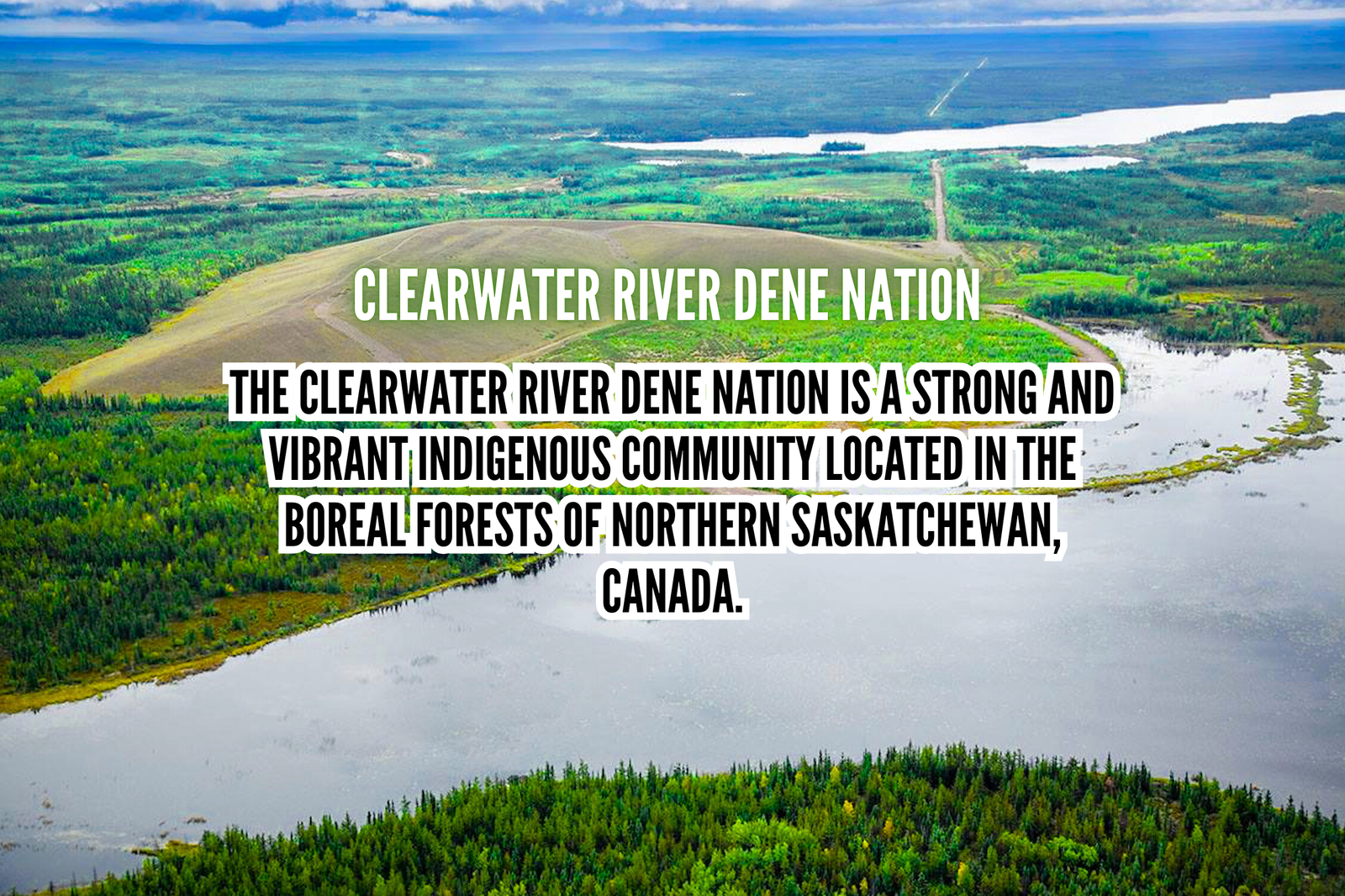
The Clearwater River Dene Nation is a strong and vibrant Indigenous community located in the boreal forests of northern Saskatchewan, Canada. It is not a single individual, but a collective of Denesųłiné (often called Chipewyan) people whose culture, language, and identity have flourished for generations. This community is grounded in deep relationships with the land, traditional knowledge, and cultural traditions that continue to shape its present and future.
Although modern society often focuses on celebrities and personal profiles, Indigenous communities like the Clearwater River Dene Nation are defined by the people who live together, their shared history, challenges they have overcome, and their vision for the future. In this article you will learn who the Clearwater River Dene people are, their history, governance, community services, and the ways they are navigating modern challenges while preserving their heritage.
Who the Clearwater River Dene People Are
The Clearwater River Dene Nation is a Dene First Nations band government located in the boreal forest of northern Saskatchewan, Canada. Its headquarters and main reserve area are in the village of Clearwater River, on the eastern shore of Lac La Loche.
The Nation’s people are part of the Denesųłiné cultural and linguistic group, traditionally known as the Chipewyan. Their language, Dene, is a living part of community life, spoken in homes, cultural gatherings, and passed on to younger generations.
Unlike celebrity profiles, where you might see details like age, height, net worth, or personal social media accounts, the Clearwater River Dene Nation’s identity is collective and rooted in shared heritage. The community includes children, adults, and Elders, and each person’s contribution helps shape the larger story of the Nation.
Population and Membership Today
As of early 2025, the Clearwater River Dene Nation had more than 3,200 registered members. Of these, around 1,199 live on reserve or on Crown land, while over 2,000 live off reserve in other communities or cities.
Many community members may have family ties in nearby La Loche and other towns, where historic connections, economic opportunities, and educational services draw people. However, the Nation remains central to their identity — with strong family networks and community bonds that extend across generations.
Though not a single family profile, the collective membership includes extended family groups, youth, and Elders who play important roles in cultural transmission and community life.
A Land With Deep History
Clearwater River Dene Nation’s people have lived in the region for well over a century — long before Canada became a country in the modern sense. The area was traditionally inhabited by groups who lived by hunting, fishing, trapping, and traveling across the boreal forests and waterways.
In 1880, an established Dene village known as Whitefish Lake (today called Garson Lake) was home to roughly 50 people. On August 4, 1899, residents of this community gathered at Fort McMurray, where they selected Adam Boucher as headman to represent them in signing Treaty 8 with the Canadian government.
Treaty 8 was one of the largest treaties signed in Canada, covering a huge area of northern Alberta, northeastern British Columbia, northwestern Saskatchewan, and portions of the Northwest Territories. Indigenous signatories, including Woodland Cree and Chipewyan peoples, agreed to share land and resources in exchange for treaty promises such as medical support, education, and other benefits.
In the early 20th century, families from the original Garson Lake group asked for treaty payments to be made closer to their homes, so they did not have to travel all the way to Fort McMurray. From 1911 onward, payments were made at Portage La Loche, which became a central gathering point for the community.
| Attribute | Details |
|---|---|
| Name | Clearwater River Dene Nation |
| Type | Dene First Nations Band / Community |
| Location | Northern Saskatchewan, Canada |
| Leadership | Chief Teddy Clarke & Council |
| Population | ~3,200 members |
| Language | Denesųłiné (Chipewyan) |
| Reserve Areas | CRDN 221, 222 (village), 223 (The Landing) |
| Cultural Heritage | Traditional Dene practices: hunting, fishing, trapping, storytelling |
| History | Signatory to Treaty 8 (1899) |
| Education | K–12 school with cultural programs |
| Economic Activities | Traditional harvesting, local services, resource development |
| Notable Events | “Cows and Plows” Treaty 8 settlement, environmental advocacy |
Formation of the Clearwater River Dene Nation
Over time, descendants of the original group became known as the Portage La Loche Band. Later, this evolved into what is today the Clearwater River Dene Nation, reflecting the geographical heart of their territory along the Clearwater River and Lac La Loche.
In 1970, three parcels of land were transferred to the Nation, which became the basis for their official reserve lands:
- Clearwater River Dene Band 221
- Clearwater River Dene Band 222 (which includes the village of Clearwater River)
- Clearwater River Dene Band 223 (also called “The Landing”)
The Nation’s land base has played a central role in community life. While some parts of the reserves were initially sparsely populated, by the late 1970s and 1980s the village of Clearwater River began to grow as housing became available and more members chose to live there.
Governance and Leadership Structure
Clearwater River Dene Nation is governed through a Chief and Council system, elected by community members. The leadership is responsible for decisions related to housing, education, health services, economic development, cultural programs, and negotiations with provincial and federal governments.
As of recent records, Chief Teddy Clarke serves as the elected leader of the Nation. The Chief works closely with councillors, administrators, and community members to represent their interests, both within Saskatchewan and in broader Indigenous governance forums.
The Nation is also a member of the Meadow Lake Tribal Council, a regional organization that provides shared services and collective support among several First Nations in the area.
Education, Services, and Community Life
Life in Clearwater River Dene Nation centers on community, family, and cultural connection. On reserve lands, facilities include a band office, community school, health clinic, fire hall, group home, and other structures that support daily life.
The school plays a vital role in the community, offering education from kindergarten through Grade 12. Cultural programs that incorporate traditional Dene language, stories, and knowledge help young people connect with their heritage and identity.
Health and community services strive to support residents of all ages. Clinics provide basic health care, and community gatherings, celebrations, and cultural events strengthen bonds across families and generations.
Because the community is spread across reserve lands and urban centers, social connections often extend beyond immediate geography, with families maintaining ties in La Loche and other towns.

Economic Life and Traditional Activities
Economically, the Clearwater River Dene Nation has historically depended on land‑based activities such as trapping, fishing, and harvesting traditional foods — practices that continue to be important for culture and livelihood.
There are also opportunities in sectors like timber and mineral exploration, though these come with important considerations about environmental impact, community consent, and long‑term stewardship of traditional lands.
Over the years, band leadership has also entered into discussions with companies over royalties and revenue sharing from natural resources within their traditional territory, reflecting a desire to create economic opportunities while safeguarding cultural and environmental values.
Treaty Rights and “Cows and Plows” Settlement
One of the most significant moments in recent community history involved a longstanding Treaty 8 agricultural benefits claim, commonly called the “cows and plows” claim. Under Treaty 8, Indigenous signatories were promised agricultural support like livestock and farming tools, which were never fully provided.
In 2021, Clearwater River Dene Nation reached a settlement of approximately $122 million with the federal government to resolve this claim. Payments of around $44,000 per member began to be distributed, marking a major moment in addressing historical treaty obligations.
Chief Teddy Clarke described the settlement as an important step toward reconciliation and community well‑being. Rather than using the funds for band infrastructure alone, the money was distributed directly to members, who invested it in homes, vehicles, education, and other personal needs.
Protecting Land, Water, and Culture
Clearwater River Dene Nation has also taken strong stances on environmental and cultural protection. In recent years, concerns about uranium exploration and development in traditional lands have led the Nation to take action to protect the environment and Treaty rights.
For example, in 2021 the Nation erected a security checkpoint on Highway #955, which cuts through its reserve lands near uranium‑rich areas, asserting that exploration approvals were being granted without meaningful consultation or consent of Elders, trappers, and community members.
Leadership and community members have emphasized that maintaining healthy land and water — and safeguarding wildlife and traditional harvesting areas — is essential for future generations.
Cultural Identity and Language
At the heart of the Clearwater River Dene Nation is a vibrant sense of cultural identity. The Denesųłiné language continues to be spoken and taught, and cultural practices — including storytelling, traditional harvesting, ceremonies, music, and gatherings — remain central to community life.
Elders play a powerful role in passing down knowledge, history, and values to younger generations. Community events, feasts, powwows, and celebrations connect people with their heritage and strengthen bonds within the Nation.
Looking Forward
The story of the Clearwater River Dene Nation is one of resilience, adaptation, and continuity. From signing Treaty 8 in 1899 to building strong community institutions today, the Nation has navigated historical challenges and embraced opportunities for self‑determination.
While the people of Clearwater River Dene Nation do not have individual celebrity profiles, their collective identity is shaped by shared history, culture, and community. This Nation continues to assert its rights, safeguard its lands, and create pathways for thriving both culturally and economically.
As you learn about Clearwater River Dene Nation, it becomes clear that understanding a community — its people, its history, and its aspirations — offers a deeper, richer perspective than any individual profile could provide.
Final: Clearwater River Dene Nation
The Clearwater River Dene Nation is much more than a place on a map — it is a vibrant community with deep roots, resilient people, and a rich cultural heritage. From their history with Treaty 8 to modern efforts in governance, education, and environmental stewardship, the Nation exemplifies strength, unity, and pride in identity. Learning about their story reminds us that Indigenous communities are living, thriving entities whose collective experiences and values offer lessons in resilience, connection to land, and the importance of culture for future generations.
FAQs
Q: What is Clearwater River Dene Nation?
A: It is a Dene First Nations community and band government in northern Saskatchewan, Canada, representing the Denesųłiné people.
Q: Who leads Clearwater River Dene Nation?
A: The Nation is led by an elected Chief and Council. Currently, Chief Teddy Clarke serves as the leader.
Q: How many people are part of the Nation?
A: Over 3,200 members are registered, with many living on reserve and others off reserve in nearby communities.
Q: What is the “cows and plows” settlement?
A: It is a Treaty 8 claim settlement where the community received funds for historical agricultural support promised but not provided.
Q: Does Clearwater River Dene Nation have its own school and services?
A: Yes, the Nation has a K‑12 school, health services, community facilities, and programs to preserve culture and language.
