


The Clothworkers Company Archives are among the most important historical collections in England, documenting nearly 500 years of civic life, trade, charity, and personal stories in the City of London. These archives are far more than old records; they are living documents that reveal real people, real places, and real events from the 16th century to the present day. They provide a unique insight into London’s social and economic history, showing how a single organization influenced education, philanthropy, and craft for centuries.
Established alongside the Worshipful Company of Clothworkers — one of London’s ancient livery companies — the archives preserve documents that highlight how the Company operated, evolved, and contributed to society. The Company historically regulated the woollen cloth trade, supported apprenticeships, and later expanded into charitable work that continues to impact communities. The Clothworkers Company Archives clearly illustrate this transformation, offering insights into both institutional history and individual lives.
The Birth of a Craft Guild and Its Records
The Clothworkers’ Company was founded in 1528 through the merger of two medieval guilds, the Shearmen and the Fullers, who were responsible for finishing woollen cloth. Wool was one of Tudor England’s most important exports, making this craft vital to the economy. The merger created a unified governing body that could maintain quality, training, and trade standards within London.
From the beginning, the Company maintained meticulous records, including court minutes, charters, account books, property deeds, and apprenticeship lists. Preserving these materials ensured that the organization’s history was protected for future generations, creating an institutional memory spanning centuries.
The Clothworkers Company Archives provide an unbroken historical thread, allowing researchers to trace decisions, disputes, and financial management through wars, economic shifts, and social transformations. These archives remain a vital resource for understanding how an organization adapted and survived over time.
What the Archives Contain
The Clothworkers Company Archives hold an extensive range of historical materials covering administrative, personal, and visual records. These include court minutes and Royal Charters, which record governance decisions, bylaws, and privileges shaping the Company’s development over centuries.
Apprenticeship and Freedom registers list individuals who trained or gained full membership, including names, dates, and sometimes occupations, from 1545 to the present. Financial records and property deeds reveal the Company’s estate management and investments, while photographs, architectural plans, and press cuttings document Clothworkers’ Hall and significant events.
These archives capture both institutional and human stories. They allow us to understand apprentices striving for mastery, the responsibilities of wardens and masters, and the charitable actions of benefactors shaping the Company’s legacy. The Clothworkers Company Archives thus bridge both organizational history and personal narrative.
| Attribute | Details |
|---|---|
| Name | Clothworkers Company Archives |
| Founded | 1528 |
| Location | London, England |
| Type | Historical archive / Livery Company records |
| Contains | Court minutes, apprenticeship & freemen registers, property deeds, photographs, charters, financial records |
| Access | Online catalogue (CalmView) and by appointment |
| Significance | Preserves trade, social, genealogical, and charitable history of the Clothworkers’ Company |
| Managed by | Worshipful Company of Clothworkers |
| Use | Research, genealogy, historical study, cultural preservation |
Tracing Ancestors and Social History
For genealogists and family historians, the Clothworkers Company Archives are invaluable. The Registers of Freemen and Apprentices provide detailed records of individuals who trained, worked, or were admitted to the Company, allowing people to trace ancestors across centuries.
London’s role as a commercial hub meant apprentices often came from distant towns, connecting family histories to wider patterns of migration and economic opportunity. Even a single entry can reveal fascinating details about craft training, urban life, and professional ambition.
Many records are now digitally accessible via the ROLLCO database, enabling researchers worldwide to explore the Clothworkers Company Archives without visiting London physically. This online availability ensures that the archives reach a global audience while maintaining the authenticity of the original documents.
Historic Estates and Charitable Bequests
The archives also document the sources of the Company’s wealth and its philanthropic impact. Between the 1500s and 1688, over 30 benefactors contributed property or funds to the Clothworkers’ Company. These gifts, often carefully managed and leased, generated income supporting both members and wider charitable initiatives.
Through wills, contracts, and leases preserved in the Clothworkers Company Archives, we see how charitable giving and property management were intertwined. This legacy led to the creation of the Clothworkers’ Foundation in 1977, an independent charitable body that has since distributed hundreds of millions of pounds to support education, housing, and social welfare in the UK.
The archives illustrate how the Company leveraged resources for long-term civic good, preserving both wealth and social responsibility across centuries.
Clothworkers’ Hall and Conservation of History
The Clothworkers’ Halls themselves are central to the Company’s story. Over the centuries, the halls were rebuilt multiple times due to disasters such as the Great Fire of London and the Blitz of World War II. These structures reflect the Company’s resilience and commitment to preserving history.
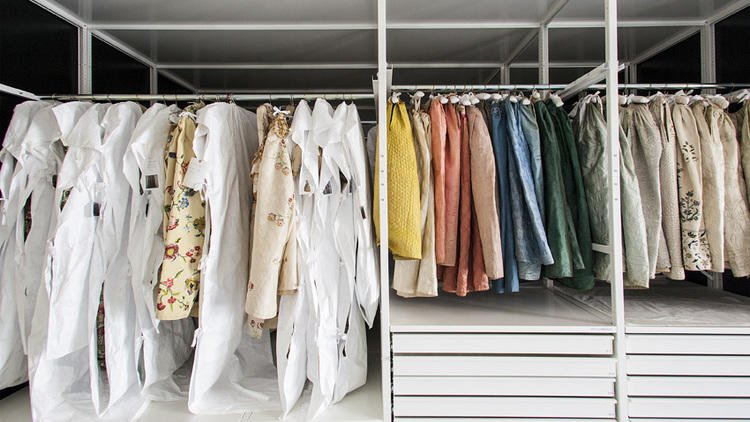
During the 1941 Blitz, the Clothworkers Company Archives were carefully protected. Vaults survived while much of the hall’s interior was destroyed, safeguarding centuries of records including account books, apprenticeship lists, and property deeds. Today, visitors to the halls can experience a living connection to London’s past through both the architecture and the archives.
Online Access and Research Tools
In the digital era, the Clothworkers Company Archives have been made accessible and discoverable online. The CalmView catalogue allows users to browse descriptions of documents, certificates, portraits, and photographs. Researchers can request appointments or contact archivists to access physical materials.
This integration of digital and physical access makes the archives valuable for both professional historians and casual enthusiasts. By exploring the catalogue, researchers can identify specific items, while visiting in person provides a tangible connection to centuries of London history.
Stories, Legacy, and Social Impact
The Clothworkers Company Archives go beyond records; they tell stories of people, communities, and societal change. They document the lives of masters and wardens, the experiences of tradesmen and apprentices, and the generosity of benefactors whose gifts shaped education and welfare programs.
They also provide insight into London’s social conditions over five centuries, highlighting economic fluctuations, charitable initiatives, and cultural developments. The archives connect institutional memory to the personal stories of those who lived and worked within the Clothworkers’ network.
Why the Archives Matter Today
Even in a digital age, the Clothworkers Company Archives remain a testament to preservation, continuity, and memory. They offer historical authenticity for scholars, genealogical insight for families, and context for social and economic historians studying the evolution of London’s civic life.
Through careful record-keeping, the archives connect the past with the present, showing how centuries of documentation enrich our understanding of trade, philanthropy, and social networks. They are not just documents—they are living history.
Conclusion: A Legacy Worth Exploring
The Clothworkers Company Archives are far more than a collection of old papers. They are a vibrant historical record that intertwines trade, governance, charity, and family history from the 1500s to today.
For historians, genealogists, or curious readers, the archives provide a human story of resilience, craft, and philanthropy, showing how an ancient guild both shaped and was shaped by the world around it. They remind us that history is not merely events—it is people, communities, and enduring impact preserved through careful archival work.
FAQs
Q: What are the Clothworkers Company Archives?
A: They are the official historical records of the Worshipful Company of Clothworkers, preserving documents, registers, and artifacts from 1528 to today.
Q: Who can access the Clothworkers Company Archives?
A: Researchers, historians, genealogists, and members of the public can access them by appointment or via the online catalogue.
Q: What types of records are in the archives?
A: They include court minutes, apprenticeship registers, property deeds, photographs, charters, and financial accounts.
Q: Why are the Clothworkers Company Archives important?
A: They provide insights into London’s trade, social history, family genealogy, and the Company’s charitable work over centuries.
Q: Can I search the archives online?
A: Yes, the archives have a digital catalogue on CalmView, making many records searchable remotely.
