

For many people, Whittington Barracks is just a name—something glimpsed in old photographs or local history books. Yet behind that name lies a rich story of military heritage, architectural significance, and visual records that span more than 140 years.
If you have searched for “Whittington Barracks Images”, you will find more than just photographs. Each image captures moments of military life, architectural detail, and historical significance, revealing how this site has shaped both the British Army and the local community in Staffordshire over decades.
In this article, we take a comprehensive journey through the history and Whittington Barracks Images—from its Victorian origins to its modern role as a centre for Defence Medical Services.
The Birth of Whittington Barracks
Whittington Barracks was built during a period of major reform in the British Army. In the 1870s, the Cardwell Reforms reorganized how the army recruited, trained, and stationed its soldiers. This led to the creation of regional depots, and Whittington Barracks was chosen as a key site for Staffordshire regiments.
Construction began around 1877, and by 1881, the barracks officially opened. Situated on Whittington Heath, its purpose was to serve as a depot for both the South Staffordshire and North Staffordshire Regiments.
Early Whittington Barracks Images show the barracks in its original form. Parade grounds, officers’ quarters, and sturdy red-brick buildings dominate these photographs. They offer historians a vivid glimpse into Victorian-era military architecture and the life of soldiers at the time.
Victorian Architecture and Early Images
The architecture of Whittington Barracks reflects the distinctive Victorian style of the late 19th century. Buildings were designed to be functional, durable, and visually imposing, demonstrating the importance of the army in British society.
The most photographed structure is the “Keep”, completed alongside the barracks. This Grade II listed building served both symbolic and functional roles. It was built under the supervision of the Royal Engineers, combining military strength with aesthetic design.
Early photographs frequently depict soldiers in full dress uniforms standing proudly near the Keep. These images, preserved in postcards and archives, are part of the extensive collection of Whittington Barracks Images that showcase military life during the Victorian era.
| Attribute | Details |
|---|---|
| Name | Whittington Barracks |
| Location | Whittington, Staffordshire, England |
| Established | 1881 |
| Type | Military Barracks / Defence Medical Services |
| Historical Significance | Depot for South & North Staffordshire Regiments; Victorian architecture |
| Notable Features | The Keep (Grade II listed), parade grounds, military hospital |
| Current Use | Medical training, Defence Medical Services facilities |
| Museum | Staffordshire Regiment Museum |
| Image Sources | Wikimedia Commons, local archives, Historic England |
Life at the Barracks in Historic Photography
Historic photographs of the barracks show more than buildings—they capture moments of everyday life.
Postcards and group photos from before and after World War I feature officers, soldiers, and their families in candid poses. One rare image shows a sergeant standing with his young family outside the Keep, a glimpse into how military and family life intertwined.
Other images highlight the military hospital, completed in 1907, surrounded by gardens tended by local villagers. These photographs illustrate how the barracks was a hub of community interaction, not just a military installation.
During the Second World War, images show the barracks in various roles. It served as a staging and training ground, and for a period, a U.S. Army Replacement Depot, housing American troops and occasionally prisoners of war. These moments are also captured in several Whittington Barracks Images, offering insight into the wartime history of the site.
Parades, Passing Out and Training Images
A highlight in the photographic record is the passing-out parade, a formal ceremony marking the completion of training for new recruits.
Photographs from 2001 show young trainees marching in formation, a tradition that has remained unchanged in spirit for over a century. Comparing these images with older parades shows changes in uniform style and personnel, but the ceremonial pride remains consistent.
Other images capture training exercises, rifle drills, and team formations. They showcase how military discipline and tradition have been maintained throughout the barracks’ history. Many of these are preserved in modern collections of Whittington Barracks Images, which continue to document the evolution of military training.
Evolution Into a Medical Training Hub
In the late 20th century, the role of Whittington Barracks began to change. With advancements in military technology and medicine, the site transitioned from traditional infantry training to focus on medical and defence services.
In the early 2000s, extensive redevelopment transformed the barracks into a centre for the Defence Medical Services (DMS). Modern facilities include classrooms, training theatres, and medical simulation labs.
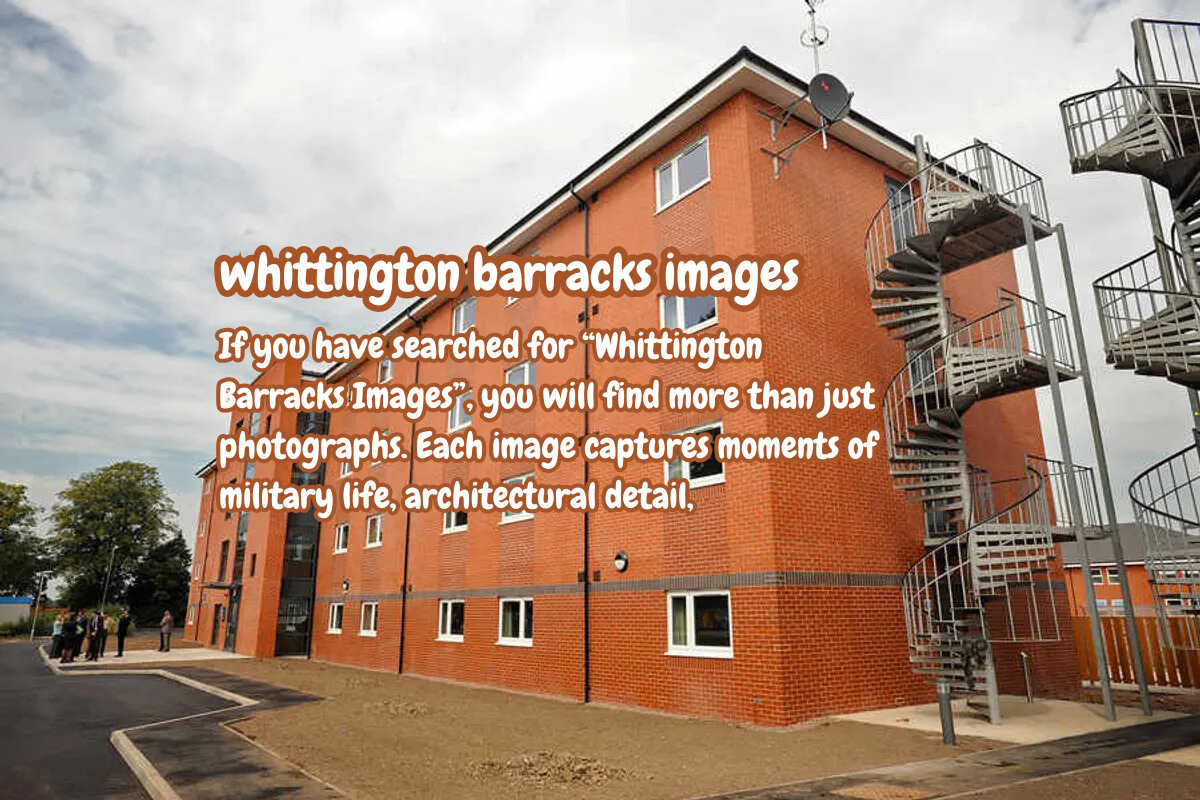
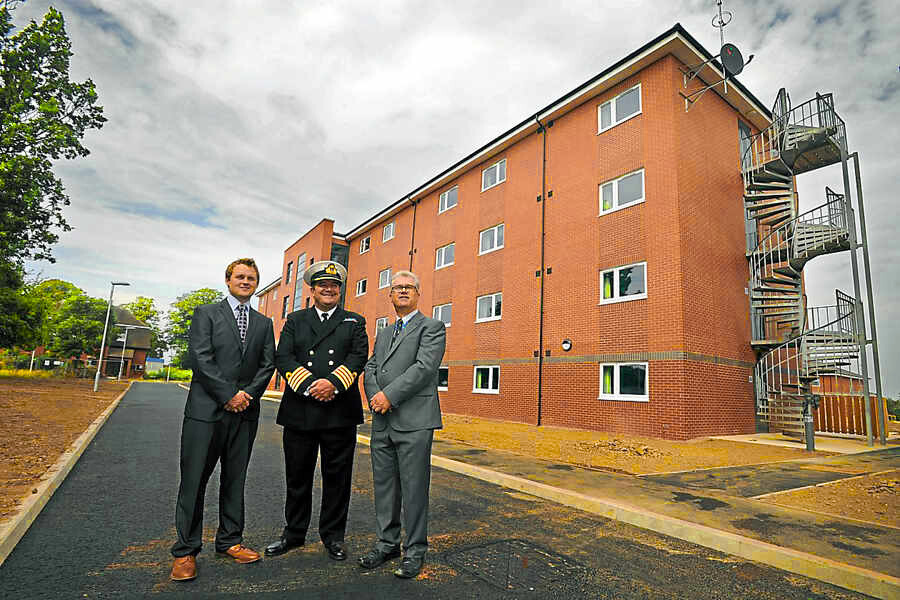
Images from this period show new accommodation blocks, modernised classrooms, and state-of-the-art training equipment. These photographs, which are part of contemporary Whittington Barracks Images, reveal how the barracks successfully blended its historic character with modern needs, maintaining its relevance while evolving with military requirements.
The Staffordshire Regiment Museum Through Images
Adjacent to the barracks is the Staffordshire Regiment Museum, which preserves a vast visual and physical record of military history.
The museum features uniforms, medals, wartime photographs, weapons, and replicas of trenches from World War I. Photographs from the museum show these exhibits in vivid detail, capturing the dedication and service of Staffordshire soldiers across generations.
Outdoor museum images often display military vehicles and historical equipment, offering visitors a hands-on sense of the barracks’ legacy. These visual records complement the historic Whittington Barracks Images, creating a holistic perspective of the site’s military importance.
Why Images Still Matter Today
The images of Whittington Barracks do more than document a building—they capture culture, heritage, and human stories.
From Victorian parades to modern medical training, photographs preserve the evolution of military life over decades. They help historians and enthusiasts understand the daily experiences of soldiers and their families, the design of the buildings, and the ongoing role of the barracks in British military life.
Each photograph is a window into a specific moment, connecting the past and present in ways that text alone cannot achieve. This is why Whittington Barracks Images remain essential resources for historical study and public interest.
Finding Whittington Barracks Images Today
Images can be found across multiple platforms and archives:
- Wikimedia Commons hosts a variety of historic photographs.
- Local history societies preserve both images and records.
- Staffordshire Regiment Museum archives provide detailed images of uniforms and military equipment.
- Historic England offers architectural photographs of listed buildings on site.
Many photographs are available for purchase as prints or digital downloads, allowing families and enthusiasts to connect with this military heritage firsthand. Collecting and sharing Whittington Barracks Images helps keep the story of this historic site alive.
Conclusion:
The phrase “Whittington Barracks Images” represents more than visual records of a site—it embodies a legacy of military service, architectural heritage, and human stories.
From Victorian architecture to modern medical facilities, these images demonstrate the evolution of military life at Whittington Barracks over 140 years. Soldiers, families, ceremonies, and training exercises are all captured in these photographs, creating a timeless connection between the past and present.
For anyone interested in military history, architecture, or community heritage, Whittington Barracks Images offer an endless source of insight, learning, and discovery.
FAQs
Q1: What are Whittington Barracks Images?
A: They are photographs and visual records showing the architecture, soldiers, and daily life at Whittington Barracks in Staffordshire.
Q2: Where can I find Whittington Barracks Images?
A: They can be found on Wikimedia Commons, local history archives, the Staffordshire Regiment Museum, and Historic England collections.
Q3: Why are Whittington Barracks Images important?
A: They document military history, architectural heritage, and the evolution of the barracks over more than 140 years.
Q4: Do Whittington Barracks Images show modern training facilities?
A: Yes, they include modern Defence Medical Services buildings, classrooms, and training exercises alongside historic structures.
Q5: Can I purchase or use Whittington Barracks Images?
A: Many images are available for prints or digital downloads through museums and online archives for educational or personal use.
