

Introduction
Heckfield Home Farm is recognized as one of the most inspiring examples of sustainable agriculture in the English countryside. Located in Hampshire, England, this historic estate farm plays an important role in promoting natural food production, environmental responsibility, and regenerative farming practices. The farm operates as part of the well-known Heckfield estate and supports a philosophy that places soil health, biodiversity, and ethical animal care at the center of agriculture.
Over the past decade, the growing demand for organic food and sustainable farming has brought increasing attention to this remarkable agricultural project. Instead of following industrial farming systems, the estate farm focuses on traditional techniques combined with modern ecological knowledge. Through its commitment to organic production and environmental balance, heckfield home farm has become a respected model for regenerative agriculture and farm-to-table food systems.
What is Heckfield Home Farm
Heckfield home farm is an organic and biodynamic agricultural operation that produces natural food while maintaining ecological balance. The farm includes vegetable gardens, orchards, pastures, and wildlife habitats that work together as a unified ecosystem. Every element of the land is managed carefully to ensure that farming activities support long-term soil fertility and environmental health.
Unlike conventional farms that depend heavily on synthetic fertilizers and pesticides, the Hampshire estate farm uses natural farming methods. Composting, crop rotation, and seasonal planting help maintain soil nutrients while protecting surrounding ecosystems. These practices allow the land to remain productive without damaging the environment.
The philosophy behind the farm is based on the idea that agriculture should work with nature rather than against it. Plants, animals, and soil form an interconnected cycle where each element supports the other. This approach allows the farm to produce high-quality food while preserving the natural landscape.
History of the Estate Farm
The history of this agricultural estate dates back to the nineteenth century when large country estates commonly maintained their own farms to supply fresh food for the manor house and surrounding communities. The farmland around Heckfield Place was developed with the intention of producing vegetables, dairy products, and livestock for the estate.
Over time, farming practices changed, but the land remained closely connected to the traditions of rural agriculture. When Heckfield Place was restored and reopened as a luxury countryside destination, the farm was revitalized with a new focus on sustainability and environmental stewardship.
The transformation of heckfield home farm into a biodynamic agricultural system marked an important step toward regenerative farming in the United Kingdom. Today the farm represents a balance between historical agricultural traditions and modern ecological awareness.
Bio Table
| Field | Details |
|---|---|
| Name | Heckfield Home Farm |
| Type | Organic & Biodynamic Farm |
| Location | Hampshire, England |
| Established | 19th Century Estate Farm |
| Farming Style | Sustainable & Regenerative Agriculture |
| Known For | Farm-to-Table Food Production |
| Products | Vegetables, Fruits, Dairy, Eggs, Meat |
| Animals | Guernsey Cows, Chickens, Sheep, Pigs |
| Environmental Focus | Soil Health, Biodiversity, Organic Farming |
| Connected Estate | Heckfield Place |
Landscape and Natural Environment
One of the most impressive features of heckfield home farm is its beautiful natural setting. The farmland is surrounded by rolling green pastures, mature woodlands, hedgerows, and open countryside typical of Hampshire. This peaceful environment provides ideal conditions for both agriculture and wildlife conservation.
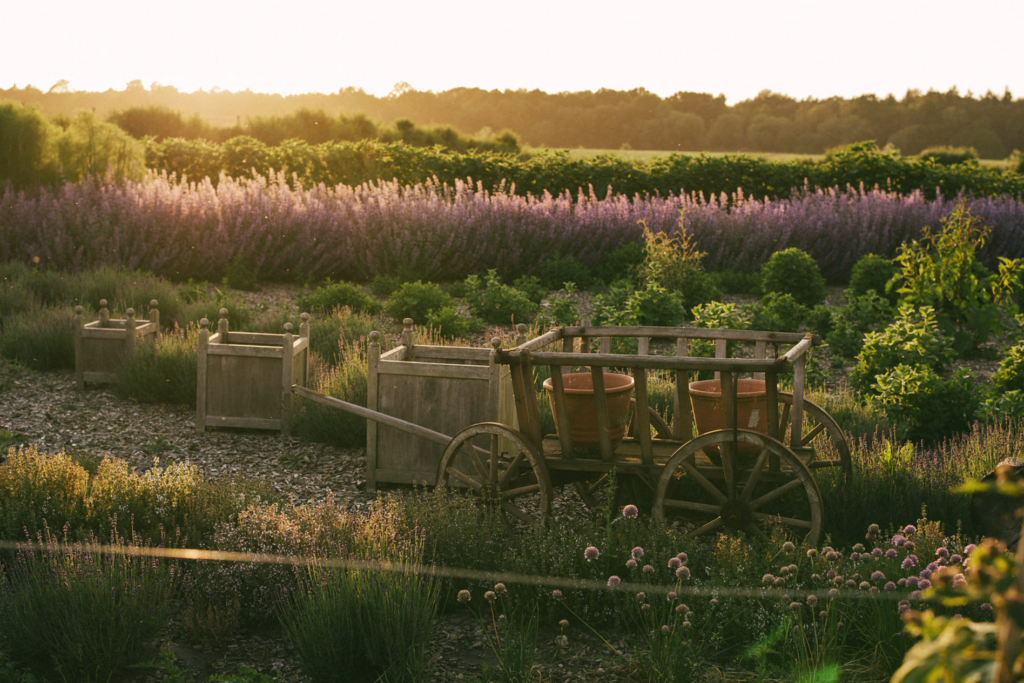
The land is carefully managed to support biodiversity and maintain ecological stability. Wildflower meadows attract pollinators such as bees and butterflies, while ponds and wetlands provide habitats for birds and amphibians. These natural elements are essential for maintaining the balance between farming and the surrounding ecosystem.
Walking through the fields and gardens of the estate farm reveals a landscape where agriculture blends seamlessly with nature. Instead of dominating the environment, the farm works in harmony with it, creating a sustainable agricultural system.
Biodynamic Farming Philosophy
The agricultural methods used on the estate are strongly influenced by biodynamic farming principles. Biodynamic agriculture views the farm as a living organism where soil, plants, animals, and humans interact in a balanced system.
At heckfield home farm, farmers follow natural rhythms when planting and harvesting crops. Seasonal changes and environmental conditions guide agricultural decisions, ensuring that the land remains healthy and productive.
Composting and crop rotation are essential parts of this approach. These practices replenish soil nutrients naturally and reduce the need for external inputs. By focusing on soil health and biodiversity, the farm ensures that the land will continue to produce food for future generations.
Another advantage of biodynamic farming is the quality of food it produces. Fruits, vegetables, and dairy products grown on healthy soil often have richer flavors and improved nutritional value.
Market Garden and Crop Production
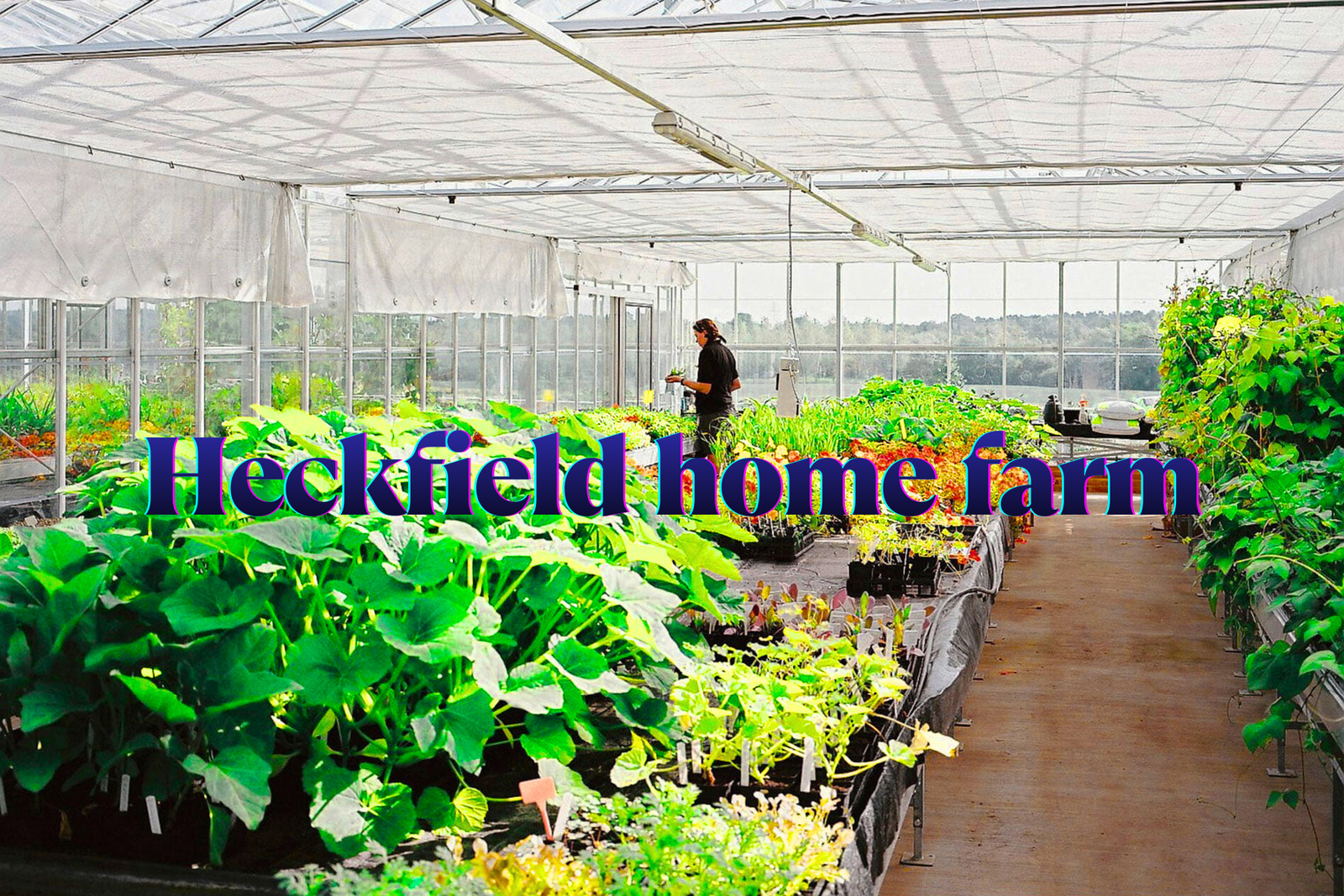
The market garden is one of the most vibrant areas of the estate. Here gardeners cultivate a wide variety of seasonal vegetables, herbs, fruits, and edible flowers. The crops are planted in diverse arrangements rather than large monoculture fields.
This diversity strengthens soil health and protects plants from pests and diseases. Natural pest control methods replace chemical treatments, allowing the garden to remain environmentally friendly.
Harvested produce is known for its freshness and quality. Because the gardens are located close to the estate kitchens, many ingredients can be used shortly after harvesting. This close relationship between the garden and the kitchen highlights the importance of local food systems.
Livestock and Animal Care
Animal welfare plays a major role in the agricultural philosophy of heckfield home farm. Livestock are raised in open pasture environments where they can graze naturally and live healthy lives. Cows, pigs, sheep, and chickens are all part of the farm’s balanced ecosystem.
One of the most recognizable animals on the farm is the Guernsey dairy cow. This breed is valued for producing rich milk with a naturally golden color and high nutritional content. The cows graze on grassland pastures, which contributes to the quality of the dairy products produced on the estate.
Free-range chickens roam across the fields and provide fresh eggs while helping control insects naturally. Sheep and pigs contribute to land management by grazing in ways that support soil health and vegetation growth.
Dairy Production
The dairy operation is another important part of heckfield home farm. Milk from the Guernsey cows is used to produce a variety of dairy products, including cream, butter, and yogurt.
Because the dairy facility is located on the farm itself, milk can be processed soon after collection. This ensures exceptional freshness and preserves the natural flavor of the dairy products.
Small-scale production allows the farm to maintain strict quality standards while avoiding industrial dairy methods. As a result, the dairy products are appreciated for their taste, nutritional value, and connection to the natural environment.
Farm-to-Table Philosophy
One of the defining features of heckfield home farm is its farm-to-table philosophy. The farm supplies fresh ingredients directly to the kitchens and restaurants of the Heckfield estate.
Vegetables harvested from the garden in the morning can appear in meals later the same day. This direct connection between farm and kitchen allows chefs to design menus based on seasonal produce.
The farm-to-table approach highlights the natural flavors of fresh ingredients and reduces the need for long-distance food transportation. It also strengthens the relationship between agriculture, hospitality, and sustainable food systems.
Environmental Impact
The environmental benefits of the estate farm are significant. By avoiding synthetic fertilizers and pesticides, the farm protects soil health and prevents pollution of nearby water sources.
Diverse crops and natural habitats encourage biodiversity and strengthen local ecosystems. Healthy soil also captures carbon from the atmosphere, which helps reduce the impact of climate change.
Through these regenerative practices, heckfield home farm demonstrates that agriculture can support both food production and environmental protection.
Public Recognition and Modern Influence
In recent years, the farm has attracted attention from environmental experts, chefs, and visitors interested in sustainable agriculture. The estate often shares updates about seasonal harvests, farm life, and agricultural practices through digital platforms.
These updates help raise awareness about responsible farming and inspire people to think more carefully about where their food comes from. The growing interest in regenerative agriculture has made the Hampshire estate farm an influential example of sustainable food production.
Conclusion
In conclusion, heckfield home farm represents a powerful example of how modern agriculture can work in harmony with nature. Located in the scenic countryside of Hampshire, the farm combines historic farming traditions with innovative ecological practices.
Through biodynamic agriculture, ethical livestock care, and a strong farm-to-table philosophy, the estate farm produces food that is both delicious and environmentally responsible. It demonstrates that sustainable farming is not only possible but also essential for the future of global food systems.
As awareness of environmental challenges continues to grow, farms like this will play an important role in shaping the future of agriculture. By protecting biodiversity, restoring soil health, and producing high-quality food, heckfield home farm offers an inspiring vision of farming that respects both people and the planet.
FAQs
Q: What is heckfield home farm?
A: Heckfield home farm is an organic and biodynamic farm located in Hampshire, England that focuses on sustainable agriculture, ethical livestock care, and natural food production.
Q: Where is heckfield home farm located?
A: Heckfield home farm is located in the countryside of Hampshire, United Kingdom, and it is part of the historic Heckfield Place estate.
Q: What products are produced at heckfield home farm?
A: Heckfield home farm produces vegetables, fruits, dairy products, eggs, meat, herbs, and honey using organic and biodynamic farming practices.
Q: Why is heckfield home farm famous?
A: Heckfield home farm is known for its regenerative farming methods, farm-to-table philosophy, and commitment to sustainability and environmental protection.
Q: Does heckfield home farm support sustainable farming?
A: Yes, heckfield home farm focuses on biodynamic and regenerative agriculture that improves soil health, biodiversity, and ecological balance.
