

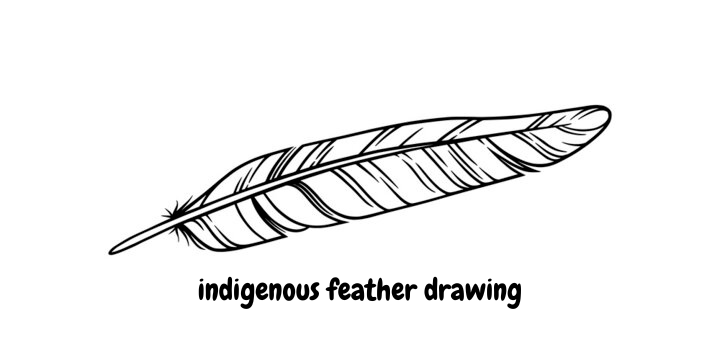
Indigenous Feather Drawing is much more than a simple artistic style. It embodies centuries of cultural history, spiritual significance, and skilled craftsmanship passed down through generations of Indigenous communities across the Americas. This form of art reflects the deep connection between humans, nature, and spirituality in Indigenous worldviews, making each Indigenous Feather Drawing a story in itself.
The Essence of Feather Art in Indigenous Cultures
Feathers in Indigenous art are never used randomly. They carry symbolic meaning and reflect profound philosophical understandings of life and the natural world. Across many Native American and Indigenous communities, feathers represent wisdom, courage, honor, and spiritual connection. They are featured prominently in illustrations, ceremonial regalia, dreamcatchers, and visual art. Each Indigenous Feather Drawing holds a story, representing the artist’s connection to their heritage and environment.
Rather than mere decoration, feathers in Indigenous art are a visual language. Each feather included in an Indigenous Feather Drawing conveys identity, tradition, and spiritual insight. Through this artwork, the values, beliefs, and teachings of generations are preserved and shared.
Symbolism Behind Feathers
In Indigenous belief systems, feathers are considered sacred gifts from the Creator and messengers between the earthly and spiritual realms. Birds that provide these feathers are viewed as spiritual guides, carrying prayers, wisdom, and knowledge.
Each feather type has a distinct meaning:
- Eagle feathers signify strength, courage, and spiritual guidance.
- Owl feathers represent wisdom, insight, and awareness.
- Hawk feathers symbolize vigilance and keen vision.
These symbolic associations make each Indigenous Feather Drawing deeply meaningful. The cultural respect for feathers ensures that every depiction, whether drawn or painted, holds significance beyond aesthetics.
| Attribute | Details |
|---|---|
| Name | Indigenous Feather Drawing |
| Type | Traditional and Contemporary Art |
| Origin | Indigenous cultures, primarily North America |
| Symbolism | Spirituality, wisdom, strength, ancestral connection |
| Mediums | Drawing, painting, quillwork, beadwork, digital art |
| Purpose | Storytelling, ceremonial use, decoration, education |
| Cultural Significance | Represents heritage, spiritual guidance, and community values |
| Famous Examples | Feathered headdress illustrations, dreamcatcher art, ceremonial motifs |
| Modern Use | Galleries, online art, cultural exhibitions, educational content |
Feathers as Artistic Tools and Motifs
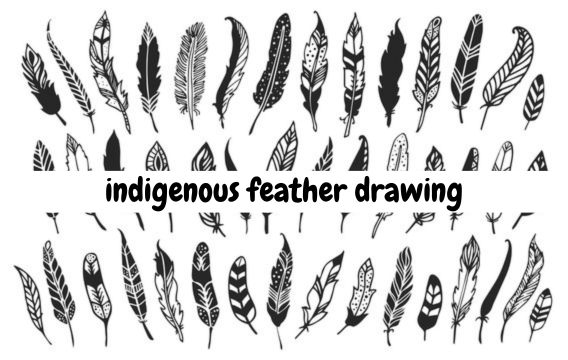
Artists incorporate feathers into drawings, beadwork, quillwork, and digital illustrations. Each Indigenous Feather Drawing blends visual beauty with storytelling, reflecting the artist’s community values and cultural narratives.
Feathers often appear in:
- Illustrations and paintings, expressing freedom and spiritual connection.
- Ceremonial regalia and attire, enhancing dance or ritual performances.
- Dreamcatcher designs, symbolizing clarity, protection, and good dreams.
- Decorative objects, where feather placement represents intentionality and respect.
Every Indigenous Feather Drawing is a testament to the cultural significance of the motif and its enduring presence across artistic practices.
Feather Art Across Regions
Different regions and tribes interpret feather art uniquely.
Plains Tribes’ Feather Regalia
Plains tribes such as the Lakota, Crow, and Cheyenne consider feathers — particularly eagle feathers — sacred. Only individuals who demonstrated bravery, leadership, or service earned the right to wear them.
Feather depictions in Indigenous Feather Drawing from these regions often reflect:
- Honor and achievement
- Spiritual journeys of leaders or warriors
- Community interconnectedness
These artworks are not merely decorative; they are visual narratives steeped in cultural pride.
Northwest Coast Art and Feathers
On the Pacific Northwest coast, Indigenous artists combine feathers with animal figures and clan symbols. Here, feathers in Indigenous Feather Drawing represent supernatural connections, ancestral presence, and healing. The intricate line work and forms showcase identity and community values, highlighting the importance of cultural continuity.
Creating an Indigenous Feather Drawing
Traditional Indigenous feather art relies on techniques refined over generations:
- Quillwork, weaving porcupine quills into detailed patterns.
- Beadwork and embroidery, adding depth around feather motifs.
- Natural dyes, crafted from plants, minerals, or roots for coloring.
Contemporary artists may incorporate digital tools or mixed media, yet every Indigenous Feather Drawing maintains its core principle: art and spirituality are inseparable.
Cultural Transmission Through Art
Feather art is a family and community legacy. Skills and symbolism are taught from elders to youth, maintaining a continuous cultural narrative. Each Indigenous Feather Drawing serves as both an educational and spiritual medium, teaching values such as harmony with nature, respect, and community cohesion.
Art in this context is a living practice, showing that Indigenous Feather Drawing is more than technique—it is a way of knowing and being.
Spiritual and Healing Significance
In ceremonies, feathers are more than artistic elements—they are spiritual tools. Feathers in Indigenous Feather Drawing often reflect:
- Smudging rituals, where feathers guide cleansing smoke
- Prayer offerings, to communicate intentions to the Creator
- Ceremonial dance regalia, honoring ancestors and spirits
These uses highlight that each Indigenous Feather Drawing carries spiritual resonance, connecting people with tradition and wisdom.
Modern Interpretations
Today, Indigenous Feather Drawing appears in galleries, online platforms, and cultural exhibits. Modern artists preserve Indigenous stories while educating broader audiences. Contemporary feather drawings emphasize:
- Identity and familial heritage
- Resilience amidst cultural challenges
- Commitment to preserving and honoring Indigenous traditions
These modern representations continue to maintain respect and authenticity, reminding viewers that feather art should never be appropriated without understanding its significance.
What Indigenous Feather Drawing Is — and Isn’t
It’s important to clarify: “Indigenous Feather Drawing” is not a personal profile or individual public figure. There are no details like age, height, net worth, or social media connected to the term itself. Instead, it represents a cultural art form deeply rooted in tradition and history.
Many Indigenous artists practice this art form today, each contributing personal stories, techniques, and perspectives. Each Indigenous Feather Drawing is thus unique, reflecting the artist’s lineage, experience, and creativity.
Conclusion:
Indigenous Feather Drawing is a profound blend of art, spirituality, and cultural identity. It demonstrates that every feather depicted carries meaning, story, and ancestral significance. From ceremonial traditions to modern reinterpretations, Indigenous Feather Drawing continues to celebrate resilience, connection, and the enduring power of Indigenous worldviews.
By appreciating these artworks, we honor the rich legacy of Indigenous cultures while recognizing the artistry, symbolism, and deep wisdom embedded in every feather depiction.
FAQs
Q: What is Indigenous Feather Drawing?
A: It is an art form where feathers are depicted in drawings, symbolizing cultural stories, spirituality, and Indigenous heritage.
Q: Why are feathers important in Indigenous art?
A: Feathers represent wisdom, strength, spiritual connection, and ancestral guidance in many Indigenous cultures.
Q: Can anyone create Indigenous Feather Drawings?
A: While anyone can draw feathers, authentic Indigenous Feather Drawings carry cultural meaning and are best created by or with respect to Indigenous traditions.
Q: Where are Indigenous Feather Drawings used?
A: They appear in illustrations, ceremonial art, dreamcatchers, regalia, and decorative or educational materials.
Q: Do Indigenous Feather Drawings have spiritual significance?
A: Yes, each feather often symbolizes prayers, protection, and connection to ancestors and nature.
