

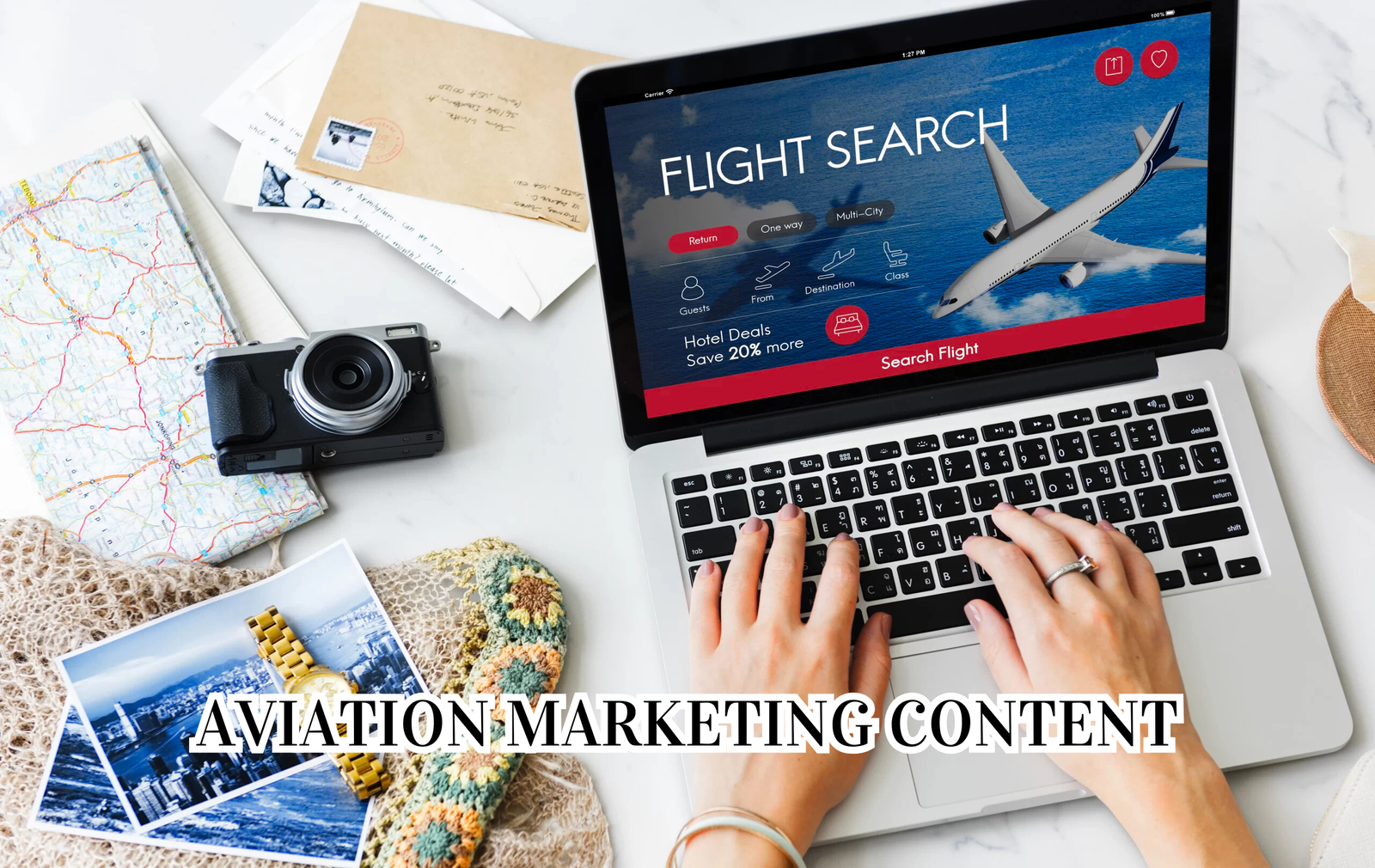
In today’s fast-paced aviation industry, reaching the right audience with the right message isn’t optional — it’s essential. Airlines, private jet operators, airports, and aviation service providers all face intense competition. Aviation marketing content has become the engine that drives awareness, builds trust, and increases revenue.
From informative blog posts and videos to social media campaigns and email newsletters, aviation content allows brands to connect meaningfully with travelers, industry professionals, and business partners. In this guide, we’ll explore what aviation marketing content is, why it matters, its types, benefits, challenges, and future trends.
What Is Aviation Marketing Content?
Aviation marketing content is any content created to promote aviation products or services. It’s not just advertisements — it’s a strategic approach to educate, engage, and persuade audiences.
This content includes blogs, videos, social media posts, newsletters, in-flight magazines, webinars, case studies, press releases, and interactive digital experiences. It serves both B2C audiences, like travelers and aviation enthusiasts, and B2B audiences, such as corporate clients, partners, and investors.
Aviation content is unique because it often has to balance technical accuracy, safety information, brand messaging, and marketing goals — all while adhering to industry regulations.
Why Aviation Marketing Content Is Essential
The aviation sector is more competitive than ever. Travelers have countless options — from low-cost carriers to luxury private jets. Every company needs to stand out.
Content marketing allows brands to differentiate themselves by delivering value and building credibility. Well-crafted content helps:
- Educate customers with travel tips, airline policies, and safety updates.
- Inspire bookings through immersive videos showcasing destinations, aircraft cabins, and experiences.
- Establish authority with case studies, white papers, and industry insights for B2B clients.
By combining education, entertainment, and promotion, aviation marketing content drives long-term loyalty, audience engagement, and measurable leads.
Who Benefits from Aviation Content?
Aviation marketing content reaches a diverse set of audiences.
Travelers:
Content that explains booking procedures, baggage rules, or offers travel inspiration helps customers make informed choices.
Industry Professionals:
Technical content, case studies, and white papers provide insights for maintenance teams, logistics managers, and airline executives.
Students and Career Seekers:
Blogs or guides about pilot training, aviation management programs, and airline career paths help aspiring professionals.
Business Partners:
B2B content, such as research reports and newsletters, strengthens relationships with brokers, suppliers, and corporate clients.
Effective content can target both consumers and industry professionals, which makes aviation marketing unique.
| Attribute | Details |
|---|---|
| Topic | Aviation Marketing Content |
| Definition | Content created to promote aviation services, products, and brands, including airlines, airports, and private jets. |
| Purpose | Build brand awareness, educate audiences, engage customers, and drive bookings or sales. |
| Target Audience | Travelers, aviation professionals, B2B clients, students, and aviation enthusiasts. |
| Types of Content | Blog posts, videos, social media posts, email newsletters, white papers, case studies. |
| Key Benefits | Increased engagement, credibility, trust, lead generation, and revenue growth. |
| Challenges | Technical complexity, regulatory limits, audience diversity, and high expectations. |
| Trends | AI personalization, VR/AR experiences, immersive content, voice search optimization. |
Types of Aviation Marketing Content
Blog Posts and Articles
Blogs are the backbone of aviation content strategies. Airlines and aviation companies use them to:
- Educate travelers about new routes, cabin classes, or airport facilities.
- Highlight sustainability initiatives and corporate social responsibility programs.
- Showcase travel guides or behind-the-scenes operations.
A well-written blog not only informs but also drives traffic and converts readers into customers.
Video Content
Video is one of the most powerful tools for aviation marketing. Videos can:
- Take viewers inside aircraft cabins and lounges.
- Showcase travel destinations and flight experiences.
- Feature interviews with pilots, crew, or industry experts.
Airlines like Emirates and private jet companies like NetJets use video to build emotional connections and inspire bookings.
Social Media Marketing
Social media platforms such as Instagram, LinkedIn, TikTok, and Twitter allow aviation brands to interact in real-time. Social media content can:
- Show aircraft, destinations, and special promotions visually.
- Respond quickly to customer queries and feedback.
- Create campaigns that encourage sharing and engagement.
Private jet operators have successfully leveraged TikTok to highlight luxury services, resulting in viral content and increased inquiries.
Email Newsletters
Email remains one of the most cost-effective channels. Personalized campaigns can:
- Deliver seasonal flight deals and exclusive promotions.
- Offer travel tips and destination suggestions.
- Provide loyalty program updates and VIP offers.
Tracking engagement metrics such as open rates and click-throughs helps brands refine their messaging and improve conversions.
Technical and B2B Content
B2B aviation companies need accurate and technical content. Examples include:
- White papers detailing ROI from aviation products or services.
- Case studies demonstrating performance and reliability.
- Compliance guides or regulatory updates for corporate clients.
This content must be evidence-based, detailed, and authoritative to build trust with professional audiences.

Benefits of Aviation Marketing Content
Brand Awareness
Content allows aviation brands to tell their story, highlight values, and leave lasting impressions. In a crowded industry, standing out with unique messaging is crucial.
Customer Engagement and Loyalty
Interactive and educational content, like quizzes, travel contests, or video tutorials, encourages engagement and strengthens long-term loyalty.
Credibility and Trust
In aviation, trust is everything. Content that informs and educates, rather than just promotes, helps establish a brand as reliable and safe.
Lead Generation and Revenue
Well-structured content drives traffic to websites, encourages inquiries, and converts potential customers into buyers. Analytics can track performance and tie results directly to revenue.
Challenges in Aviation Content Marketing
Despite its benefits, aviation content marketing has challenges:
- Technical Complexity: Accurate information is essential, especially for B2B audiences.
- Regulatory Constraints: Marketing must comply with strict aviation and advertising regulations.
- Diverse Audiences: Travelers and industry professionals have different needs.
- High Customer Expectations: Audiences expect personalized, fast, and relevant content.
Overcoming these challenges requires strategic planning, skilled content creation, and data-driven insights.
Future Trends in Aviation Content
Looking ahead, Aviation marketing content is evolving rapidly:
- Virtual and Augmented Reality: Potential passengers can take virtual tours of aircraft and airports.
- AI-Powered Personalization: Customized content will become standard for engaging travelers.
- Immersive Experiences: Metaverse and interactive platforms may offer new ways to explore travel.
- Voice Search Optimization: As voice assistants grow, content must be optimized for spoken queries.
Brands that adopt these trends early will be better positioned to engage modern travelers and business clients.
Conclusion
Aviation marketing content is not just about selling flights. It’s about building relationships, educating audiences, and telling stories that inspire trust and loyalty.
From airlines and private jets to airports and aviation schools, content has become a key driver of growth and customer engagement. By delivering informative, engaging, and visually appealing content across multiple channels, aviation brands can rise above competition, create long-term connections, and generate measurable business results.
To succeed in Aviation marketing content, brands must prioritize value, maintain accuracy, and adapt to evolving trends — all while keeping their audience at the heart of every strategy.
FAQs
Q: What is aviation marketing content?
A: Aviation marketing content is any material created to promote airlines, airports, private jets, or aviation services, including blogs, videos, social media, and newsletters.
Q: Why is aviation marketing content important?
A: It builds brand awareness, educates audiences, engages customers, and drives bookings or sales in the competitive aviation industry.
Q: Who benefits from aviation marketing content?
A: Travelers, aviation professionals, business partners, and students all benefit through education, updates, and engagement.
Q: What types of content are most effective in aviation marketing?
A: Blog posts, videos, social media posts, email newsletters, case studies, and white papers are the most effective formats.
Q: How can aviation marketing content improve business results?
A: By increasing visibility, trust, and engagement, it drives website traffic, leads, conversions, and long-term customer loyalty.
