

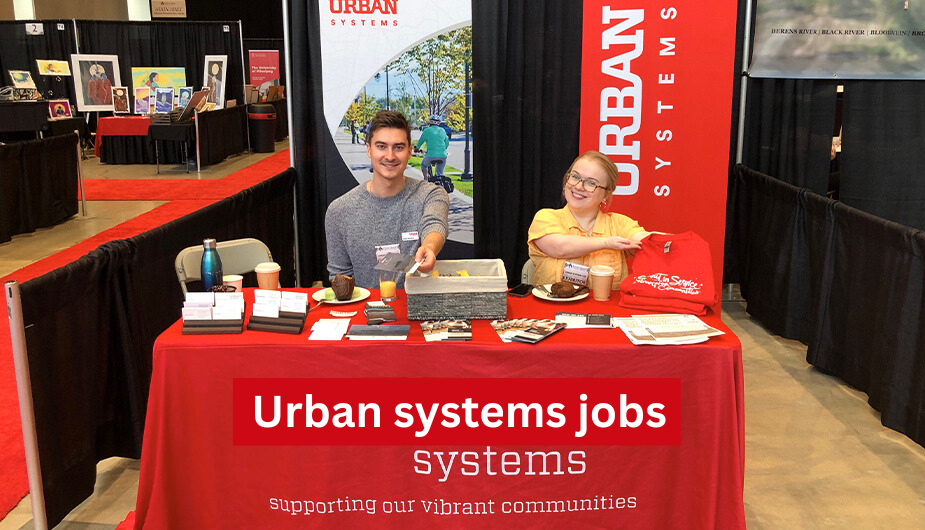
Urban Systems Jobs is one of Canada’s most respected firms in the urban planning and consulting world. While most people might not have heard the name, the work behind Urban Systems jobs touches many parts of everyday life — from how water flows in a city to how roads, neighbourhoods, and parks are planned.
In this article, you’ll learn what Urban Systems is, what kinds of jobs this company offers, what the work looks like, personal aspects of roles, why people choose to work there, and what the future looks like for candidates.
What Is Urban Systems? A Company With a Mission
Urban Systems is a community consulting firm that helps plan, design, and improve urban environments — big cities, small towns, rural regions, and Indigenous communities — across Canada. The company was founded in 1975 and has grown into a multidisciplinary organization with more than 700 professionals and 18 offices nationwide.
What sets Urban Systems apart is its focus on community‑led solutions and collaboration across disciplines. Teams include planners, engineers, landscape architects, communications specialists, GIS analysts, and project managers. These professionals work together to solve problems that affect city life — like infrastructure aging, climate change, transportation, and housing.
The Heart of Urban Systems Jobs: Community Impact
People who work at Urban Systems aren’t just in office cubicles filling spreadsheets. Their work directly affects how people live, work, and move in their communities.
For example, Urban Systems teams might:
- Plan water and stormwater systems to make towns safer from flooding.
- Prepare Asset Management Plans that help cities decide when to repair or upgrade infrastructure.
- Help Indigenous communities plan for future growth.
- Support policy development that shapes how neighbourhoods grow.
Whether it’s ensuring a community has clean water, safe roads, or inclusive public spaces, Urban Systems jobs are rooted in positive change.
| Attribute | Details |
|---|---|
| Company Name | Urban Systems |
| Founded | 1975 |
| Headquarters | Canada |
| Industry | Urban planning, consulting, infrastructure, environmental services |
| Employees | 700+ |
| Offices | 18 offices across Canada |
| Services | Planning, engineering, landscape architecture, communications, consulting |
| Target Clients | Municipalities, Indigenous communities, private clients |
| Company Culture | Collaborative, community-focused, supportive, growth-oriented |
| Social Media | LinkedIn, Twitter, company website |
| Career Opportunities | Engineers, planners, consultants, communications, student internships |
| Benefits | Health & wellness, flexible schedules, retirement plans, vacation |
| Website | urbansystems.ca |
Types of Jobs at Urban Systems
Urban Systems jobs span many fields. Here are some of the common roles you’ll find:
1. Engineers and Technical Experts
One example is an Infrastructure Planning Engineer‑in‑Training — usually a recent graduate or early‑career professional in engineering. These roles involve supporting infrastructure planning projects, assisting with technical reports, and working on water, sanitary, and stormwater plans.
These professionals often work with multiple teams, engage with clients, and contribute to long‑term decision‑making for critical systems.
2. Planners and Community Consultants
Urban planning roles involve research, policy writing, community engagement, and creating strategic planning materials. These specialists help local governments and Indigenous communities solve complex problems by connecting data with long‑term goals.
3. Communications and Engagement Specialists
Some positions focus on communications, helping translate technical information into easy‑to‑understand content for the public, stakeholders, and project partners. These roles require strong writing skills and experience working across teams.
4. Student and Co‑op Opportunities
Urban Systems supports students through paid internships and co‑op roles where learners can gain real experience on meaningful projects. These roles offer mentoring and coaching from professionals and allow students to shape their careers early on.
What a Day in an Urban Systems Job Looks Like
Daily responsibilities vary by role, but many Urban Systems jobs involve:
Collaboration: Teams work together to solve challenges — engineers with planners, planners with communications teams, and so on.
Client engagement: Talking with municipalities, Indigenous community representatives, and stakeholders to understand needs.
Planning and analysis: Preparing reports, reviewing data, conducting research, and contributing to strategic planning documents.
Field visits: Some roles include site visits to assess infrastructure, meet community members, or gather firsthand information.
Qualifications and Skills Employers Look For
Depending on the job, Urban Systems typically looks for:
- Relevant education: Degrees in engineering, urban planning, landscape architecture, communications, or related fields.
- Technical skills: Understanding of planning processes, infrastructure systems, data analysis, or communications tools.
- Problem‑solving ability: Candidates are expected to think creatively and help find solutions that work for communities.
- Strong communication: Oral and written communication skills are valuable in nearly every role.
For entry‑level roles, professional registration intentions (like becoming an Engineer‑in‑Training) are beneficial.
Compensation: What Urban Systems Offers
Urban Systems jobs come with competitive pay and benefits designed to support employees’ health and long‑term well‑being. These typically include:
- Extended health care, dental, and vision coverage
- Health care spending accounts
- Flexible work schedules and work‑from‑home options
- Competitive salary with bonus potential
- Paid vacation and parental leave top‑ups
- Retirement savings options and share purchase plans
For example, entry‑level engineering positions often offer a salary range with benefits such as 3 weeks of paid vacation and support for long‑term savings plans.
Urban Systems Company Culture — What It Feels Like to Work There
Urban Systems places strong emphasis on culture and people. The firm describes its environment as one built on creativity, teamwork, shared purpose, and continuous learning.
Here are key cultural traits common in Urban Systems jobs:
- Collaborative — teams solve problems together.
- Curious and open‑minded — employees are encouraged to ask questions and continue learning.
- Client‑focused — understanding community needs leads every project.
- Supportive — mentorship and professional development are central.
This culture makes Urban Systems attractive for people early in their careers and seasoned professionals alike.

Personal and Professional Growth Opportunities
Working at Urban Systems is not just a job — it can be a long‑term career path. The structure at Urban Systems doesn’t rely on rigid job titles or climbing a corporate ladder. Instead, employees are encouraged to shape their own growth and explore different areas of practice.
Employees receive regular training, coaching, and opportunities to take on new responsibilities, whether in technical work, leadership, or community engagement.
Real Impact: Stories from the Field
While people working in Urban Systems jobs may have different backgrounds and goals, many share one thing in common — a desire to make places better:
- Consultants help small towns build resilient water systems.
- Engineers partner with municipalities to prepare long‑term infrastructure plans.
- Planners engage with Indigenous communities to jointly envision future growth.
This real‑world impact is often what professionals value most — knowing their work contributes to safer, more vibrant communities.
Who Should Consider Urban Systems Jobs?
Urban Systems careers are ideal for:
- Recent graduates who want hands‑on experience in planning or engineering.
- Early‑career professionals ready to collaborate and grow.
- Experienced professionals who want to apply skills across disciplines.
- People who enjoy creative problem solving, community engagement, and teamwork.
Frequently Asked Personal Questions
Because Urban Systems is a company — not a person — details like age, height, family, net worth, and physical appearance don’t apply. Instead, the personality of the workplace matters: people describe colleagues as collaborative, curious, and community‑minded professionals who come together to make lasting change.
For social media presence, Urban Systems regularly shares projects and career opportunities on platforms like LinkedIn, where team members and recruiters engage with audiences about job openings and company news. (Common for most professional consulting firms.)
Conclusion:
Urban Systems jobs represent more than everyday work — they are missions with impact. Whether you are a planner, engineer, communicator, or student just getting started, opportunities at Urban Systems allow you to shape how communities live and grow.
Professionals here enjoy strong benefits, a collaborative culture, ongoing learning, and the chance to work with diverse clients across Canada. If you’re passionate about community planning, infrastructure, sustainability, or public engagement, pursuing Urban Systems jobs could be a rewarding career path.
FAQs
Q1: What types of Urban Systems jobs are available?
A: Urban Systems jobs include roles in engineering, urban planning, landscape architecture, communications, consulting, and student internships.
Q2: Where can I find Urban Systems jobs?
A: Urban Systems jobs are available across Canada, with opportunities in 18 offices serving municipalities, Indigenous communities, and private clients.
Q3: Do Urban Systems jobs offer career growth?
A: Yes, Urban Systems jobs provide mentoring, training, and opportunities to take on new responsibilities in various projects.
Q4: What benefits come with Urban Systems jobs?
A: Urban Systems jobs offer health and dental coverage, flexible schedules, retirement plans, paid vacation, and wellness programs.
Q5: Are there student opportunities in Urban Systems jobs?
A: Yes, Urban Systems jobs include paid internships and co-op programs that allow students to gain practical experience.
