
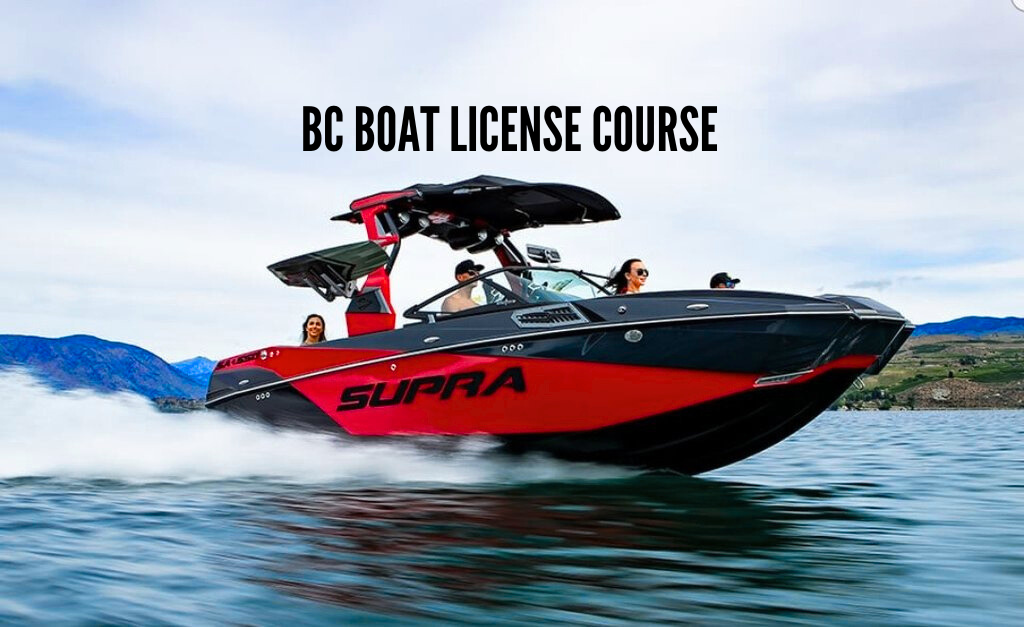
Boating in British Columbia is an experience like no other. With the province’s stunning coastlines, serene lakes, and picturesque islands, the waterways offer endless opportunities for exploration and relaxation. However, before you can enjoy the freedom of being on the water, it is essential to meet legal requirements. The BC boat license course, officially known as the Pleasure Craft Operator Card (PCOC), is designed to prepare anyone operating a motorized boat with the knowledge and skills they need to stay safe and compliant on Canadian waters.
The BC boat license course is a comprehensive training program that teaches recreational boaters about safety, navigation, and the rules of the water. It is recognized across Canada by Transport Canada and serves as the official proof that a boater is competent to operate a powered vessel. Although many people casually call it a boat license, the legal term is the Pleasure Craft Operator Card, and obtaining it through the BC boat license course is mandatory for anyone operating a motorized boat in British Columbia.
Why the BC Boat License Course Is Important
Before 1999, recreational boaters in Canada were not required to take formal training to operate a vessel. As boating became more popular, accidents and safety concerns increased, leading the government to introduce mandatory proof of competency. Today, completing the BC boat license course ensures that operators are equipped with the knowledge to avoid accidents, respond effectively to emergencies, and navigate safely through Canada’s waterways. The course promotes responsible boating and protects both the operator and passengers from avoidable risks.
Who Needs the BC Boat License Course?
The BC boat license course is required for all operators of motorized recreational vessels. This includes powerboats, sailboats with auxiliary engines, and personal watercraft such as jet skis. Even small boats with low-powered motors fall under this requirement, ensuring that all operators have at least a baseline level of boating competency. Compliance with this rule is essential, as operating a motorized vessel without proof of competency can result in fines and legal consequences.
Age restrictions and engine limitations are important considerations for young operators. While anyone can technically take the BC boat license course, there are rules for younger boaters. Children under 12 can operate vessels with engines up to 10 horsepower under supervision, and those aged 12 to 15 may operate boats with engines up to 40 horsepower. Operators under the age of 16 are not permitted to operate personal watercraft, while individuals 16 and older have no horsepower limitations. These rules ensure the safety of young boaters while providing them with opportunities to learn boating skills responsibly.
| Field | Details |
|---|---|
| Topic | BC Boat License Course |
| Alternate Name | Pleasure Craft Operator Card (PCOC) |
| Purpose | To certify recreational boaters and ensure safe operation of motorized vessels in BC |
| Who Needs It | Anyone operating a motorized boat in British Columbia |
| Age Requirement | No minimum age, but restrictions apply for operators under 16 |
| Validity | Lifetime (does not require renewal) |
| Course Format | Online and in-person options available |
| Average Cost | $15–$60 (depending on provider) |
| Time to Complete | Approximately 3–5 hours |
| Benefits | Legal compliance, safety, confidence, recognition by marinas and insurance providers |
| Official Authority | Transport Canada |
How the BC Boat License Course Works
The BC boat license course can be completed either online or in person, depending on the learner’s preference. Online courses provide flexibility, allowing students to study at their own pace from the comfort of their homes. Lessons, practice quizzes, and the final exam can all be completed online, and a temporary PCOC is issued immediately after passing. Online courses are ideal for those with busy schedules or who prefer self-directed learning.
Classroom or in-person courses offer hands-on instruction, discussions, and practical demonstrations. Instructors can provide local insights, answer questions, and help students understand real-life boating scenarios. Regardless of the format, both approaches prepare students for the same Transport Canada-approved exam, ensuring that every boater who completes the BC boat license course is competent, safe, and ready for the water.
What You Learn in the BC Boat License Course
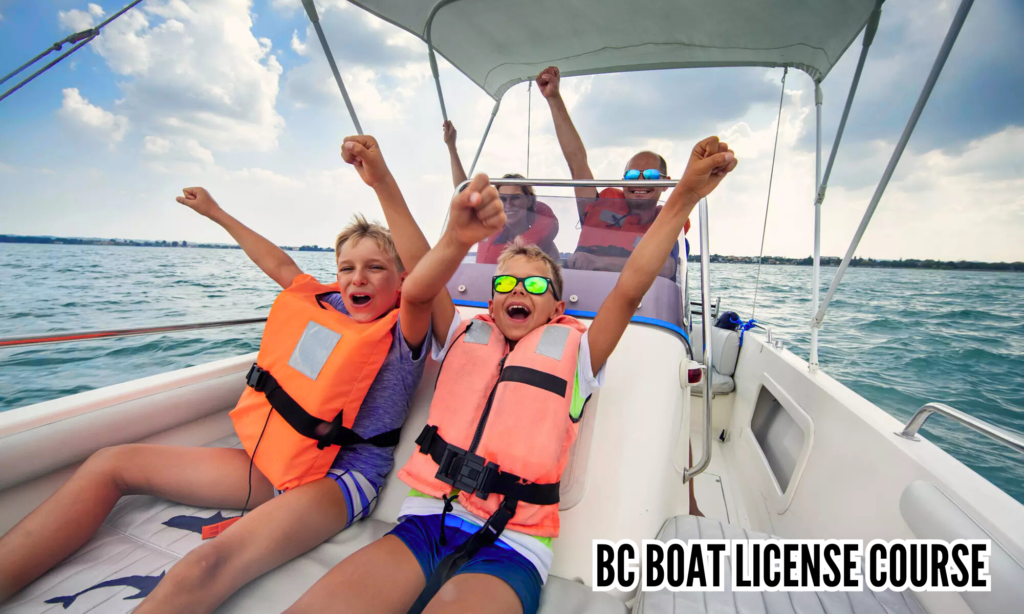
The BC boat license course covers all the essential knowledge a boater needs. Students learn about boat terminology, the functions of different parts of a vessel, and the proper use of safety equipment. The course also teaches navigation aids, such as buoys and markers, and explains the rules of the water, including right-of-way, safe speed, and collision prevention. Operators are trained in pre-departure checks, emergency procedures, and environmentally responsible boating practices. By the end of the BC boat license course, students are fully prepared to handle a variety of situations on the water with confidence and responsibility.
Exam and Certification Process
Upon completing the BC boat license course, students must pass a Transport Canada-approved exam to receive their Pleasure Craft Operator Card. The exam requires a score of at least 75 percent, and multiple attempts are allowed if necessary. A temporary PCOC is provided immediately after passing, and the official card is mailed to the student. Only the original card is legally valid, ensuring that operators are recognized and fully compliant while enjoying Canada’s waterways.
Cost and Time Commitment
The BC boat license course is affordable and accessible. Online courses generally range between fifteen and sixty dollars, while classroom courses may cost slightly more. Most students can complete the course and pass the exam in three to five hours, though additional study time can be taken if needed. This makes the course a practical and convenient option for casual boaters as well as those who plan to spend significant time on the water.
Benefits of Completing the BC Boat License Course
Completing the BC boat license course offers multiple benefits. First and foremost, it ensures legal compliance, helping operators avoid fines or penalties. The course improves safety by teaching life-saving skills and emergency response techniques, giving boaters confidence in handling any situation. Certified operators also gain credibility with marinas, rental companies, and insurers. Furthermore, the PCOC is valid for life, meaning there is no need for renewal or retakes, making the BC boat license course a valuable, one-time investment in both safety and legal compliance.
Final Thoughts
The BC boat license course is essential for anyone planning to operate motorized vessels in British Columbia. It provides the knowledge, skills, and certification necessary for safe and responsible boating. With a PCOC in hand, operators can confidently enjoy BC’s beautiful waterways, whether for a short day trip or a long coastal adventure. Taking this course is more than just a legal requirement; it is an investment in safety, competence, and the protection of Canada’s natural waterways. Completing the BC boat license course ensures that every boating experience is safe, enjoyable, and fully compliant with Canadian law.
FAQs
Q: Who needs a BC boat license course?
A: Anyone operating a motorized boat in British Columbia must complete the BC boat license course to legally operate on Canadian waters.
Q: At what age can I take the BC boat license course?
A: There is no minimum age to take the course, but engine size limits apply for operators under 16 years old.
Q: How long does it take to complete the BC boat license course?
A: Most people complete the course and pass the exam within 3–5 hours, depending on study pace.
Q: Is the BC boat license course valid forever?
A: Yes, the Pleasure Craft Operator Card issued after the course is valid for life and does not need renewal.
Q: Can I take the BC boat license course online?
A: Yes, the course is available online with study materials, practice quizzes, and the exam included, making it convenient for self-paced learning.
